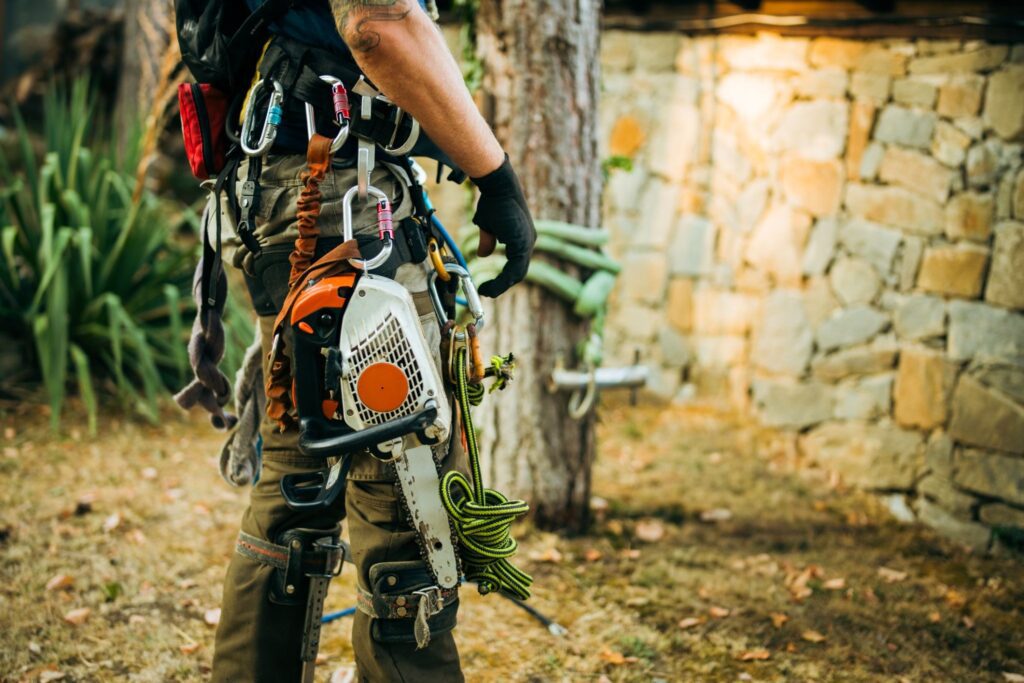
Trees are one of the most valuable features of any property. They improve air quality, support local wildlife, add character to gardens, and when properly maintained can thrive for generations. But healthy trees don’t happen by accident. They need the right care at the right time, delivered by someone who knows what they’re doing.
If you’re a business owner, homeowner or landowner in Chester, here’s what you need to know about keeping your trees in the best possible condition.
What does a tree surgeon actually do?
Many people assume tree surgery is simply about cutting trees down. In reality, a qualified tree surgeon covers a wide range of services from routine tree pruning in Chester and crown reduction to full tree removal, disease diagnosis, and legal compliance checks.
A professional arborist will assess a tree’s structure, health, and risk level before recommending any work. They understand how different species grow, what signs of disease look like, and how to carry out pruning or felling safely without causing long-term harm to the tree or surrounding property.
When should trees be pruned across Chester and surrounding areas?
Timing matters when it comes to tree pruning. For most broadleaved trees, late autumn and winter when the tree is dormant is the best time to prune. This reduces stress on the tree and minimises the risk of disease entering through fresh cuts.
That said, deadwood removal “deadwooding” can be carried out at any time of year, and some species benefit from summer pruning. The key is knowing which approach suits which tree. Regular tree trimming in Chester keeps growth in check, improves the shape of the canopy, and reduces the risk of branches becoming a hazard.
The real benefits of tree pruning
Tree pruning isn’t just about aesthetics. Done correctly, it delivers real practical benefits. Crown thinning services improve airflow through the canopy, reducing wind resistance and lowering the risk of storm damage. Crown reduction in Chester brings an overgrown tree back to a manageable size while preserving its natural form. Pollarding trees in Chester is a more intensive technique used to keep certain species compact and is particularly common with willows and limes.
Regular pruning also allows a qualified arborist to spot early warning signs of disease or structural weakness issues that are far easier and cheaper to manage when caught early.
Common tree species
- Common tree species found across the Cheshire area include a wide range of native broadleaved trees that contribute significantly to the county’s landscape character and biodiversity. Among the most prominent are English oak, silver birch, sycamore, European ash, European beech, and hornbeam, all of which are commonly established within woodlands, hedgerows, parkland settings, and rural estates. English oak remains one of the most characteristic and ecologically valuable species, providing long-term habitat for a wide variety of wildlife, while silver birch is often associated with lighter, sandy soils and early successional woodland.
- In wetter or low-lying areas, particularly along watercourses, floodplains, and damp woodland margins, species such as willow and alder are frequently present due to their tolerance of high soil moisture and seasonal waterlogging. These species play an important role in stabilising banks, improving water quality, and supporting wetland ecosystems.
- Additional species such as hazel, dogwood, and sweet chestnut are also commonly encountered, particularly within mixed woodland planting schemes and managed estates across west Cheshire and the Sandstone Ridge area. Hazel is often found within the understory of ancient and semi-natural woodlands, while dogwood contributes valuable shrub structure and seasonal interest. Sweet chestnut, although less traditionally native, has become well established in certain parts of the region and is often included for both amenity and silvicultural value.
- Conifer species also form an important part of Cheshire’s treescape, particularly within plantations, estate woodlands, shelterbelts, and ornamental planting. Common species include Scots pine, Corsican pine, Norway spruce, Sitka spruce, Douglas fir, European larch, and Lawson cypress, with occasional cedar and yew in parkland and historic gardens. Scots pine is one of the UK’s few native conifers and is often found on lighter soils, while spruce species are more commonly associated with forestry and shelter planting. Douglas fir and larch are frequently present in older estates and mixed woodland schemes, providing both structural diversity and landscape value. Ornamental conifers such as Leyland cypress are also common in urban and suburban settings for screening and boundary planting.
Signs a tree needs attention or removal
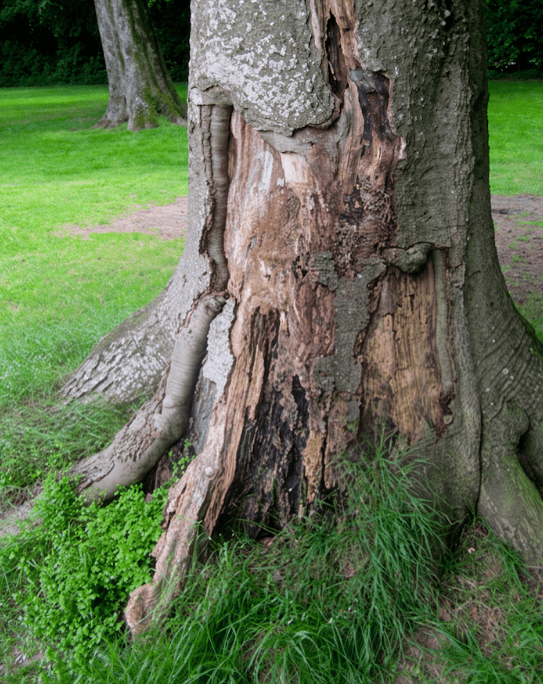
Knowing when a tree needs professional attention can prevent serious problems down the line. Look out for:
— Significant deadwood or large dead branches in the canopy
— Fungal growth around the base or on the trunk
— Cracks, splits, or leaning that has developed over time
— Roots lifting, showing decay, or causing damage to structures
— Dieback across large sections of the canopy
These are all signs that a tree should be inspected without delay. In some cases, tree removal services in Chester may be the safest and most responsible outcome particularly if a tree is structurally compromised or poses a risk to buildings, vehicles, or people nearby.
How often should trees be inspected?
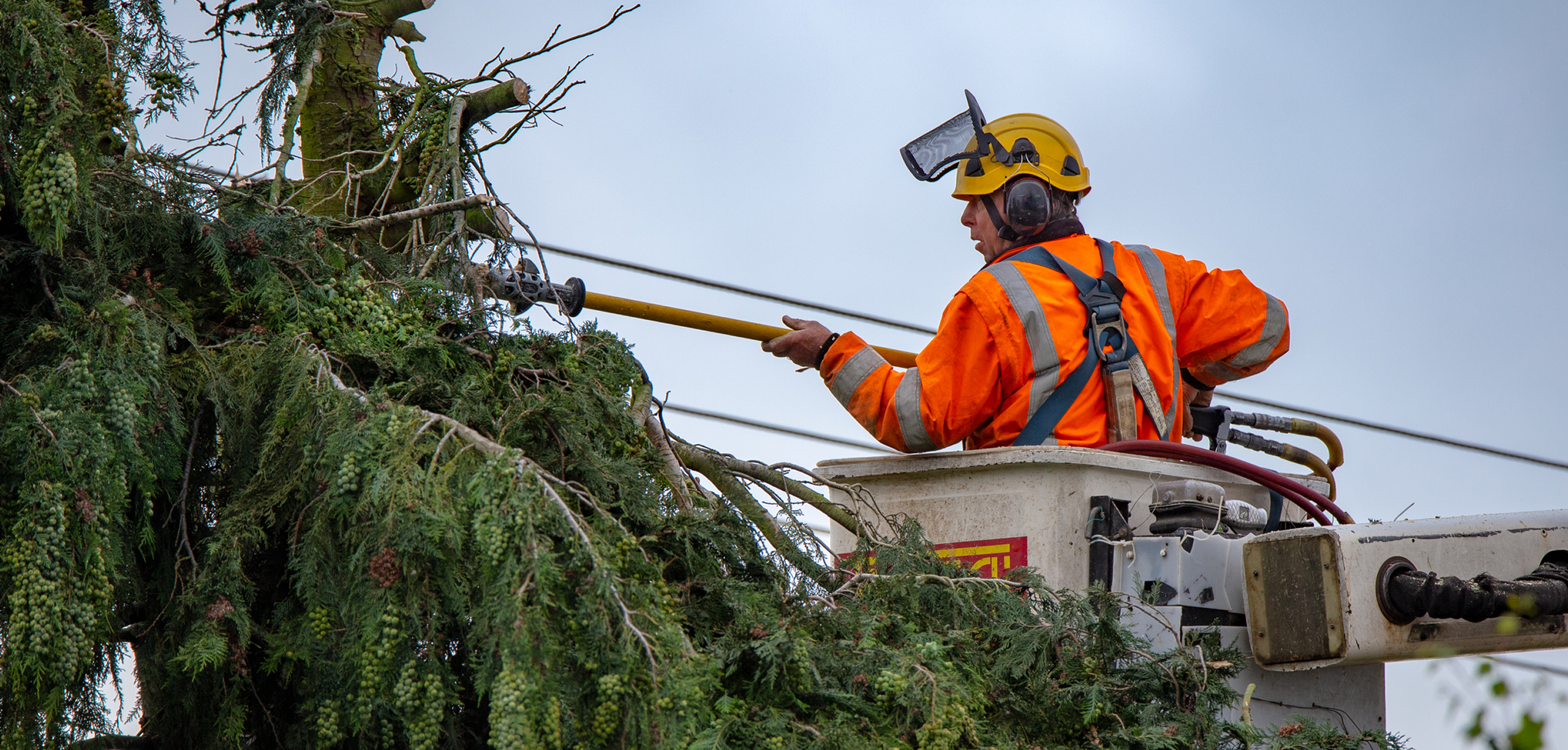
For most garden trees, an inspection every one to three years is a sensible routine. Larger trees, trees near buildings, and any tree close to power lines should be checked more frequently. A tree near power lines can become a serious hazard rapidly professional hazardous tree removal is essential in these situations and should never be attempted without qualified help.
Tree disease identification in Chester and surrounding areas has become increasingly important as new threats like ash dieback, Phytophthora ramorum (affecting larch), honey fungus, acute oak decline continue to spread. An experienced arborist will know what to look for and how to respond appropriately.
When emergencies happen
Not all tree problems give advance warning. Storms, winter gales, high winds, and sudden structural failures can bring branches or entire trees down without notice. A fallen tree blocking a road or driveway, a dangerous tree leaning toward a building, or storm damage tree removal that can’t wait until morning all require an immediate professional response.
This is where having access to a reliable 24/7 tree surgeon in Chester makes all the difference. Whether it’s emergency tree removal, fallen tree removal, or hazardous tree removal, a qualified team can respond quickly and work safely even in difficult and challenging conditions.
If you’re ever unsure whether a situation qualifies as an emergency, it’s always better to call and check. Emergency tree services in Chester are available for exactly these moments when waiting simply isn’t an option.
Choosing the right tree surgeon in Chester
Whether you need tree felling in Chester, a routine crown reduction, or urgent help after a storm, always work with a qualified and insured professional. The right tree surgeon will carry out a proper risk assessment, advise on any Tree Preservation Order obligations, and deliver results that keep your trees and your property safe for the long term.
Good tree care is an investment, not just a cost. And when something unexpected happens, knowing you have access to trusted emergency tree services in Chester gives you real peace of mind.