
Trusted tree surgeons providing professional care for trees across Wirral’s homes, parks, and coastal communities.
The Wirral isn’t just another service area—it’s a peninsula with its own character, shaped by coastal winds, historic neighbourhoods, and tree-lined residential streets stretching from CH41 through to CH66. From the established Victorian gardens in Oxton (CH43) to the exposed coastal edges of West Kirby (CH48) and New Brighton (CH45), trees here face conditions you simply don’t experience inland.
Across Wirral, thousands of mature trees—oak, sycamore, lime, and beech—form part of the local landscape, whether lining avenues near Birkenhead (CH41) or framing gardens in Heswall (CH60). Coastal exposure from the Irish Sea means strong prevailing winds, especially through Hoylake and along the Dee estuary, which puts additional stress on large canopies. That’s why tree care here isn’t just about appearance—it’s about structural safety, long-term health, and managing risk in a very specific environment.
We provide professional tree surgery across all Wirral postcodes, including CH42, CH43, CH44, CH45, CH46, CH47, CH48, CH49, CH60, CH61, CH62, CH63 and CH66. Whether it’s routine pruning in a suburban garden or emergency storm work near the coast, every job is approached with local knowledge and the right equipment for the setting.
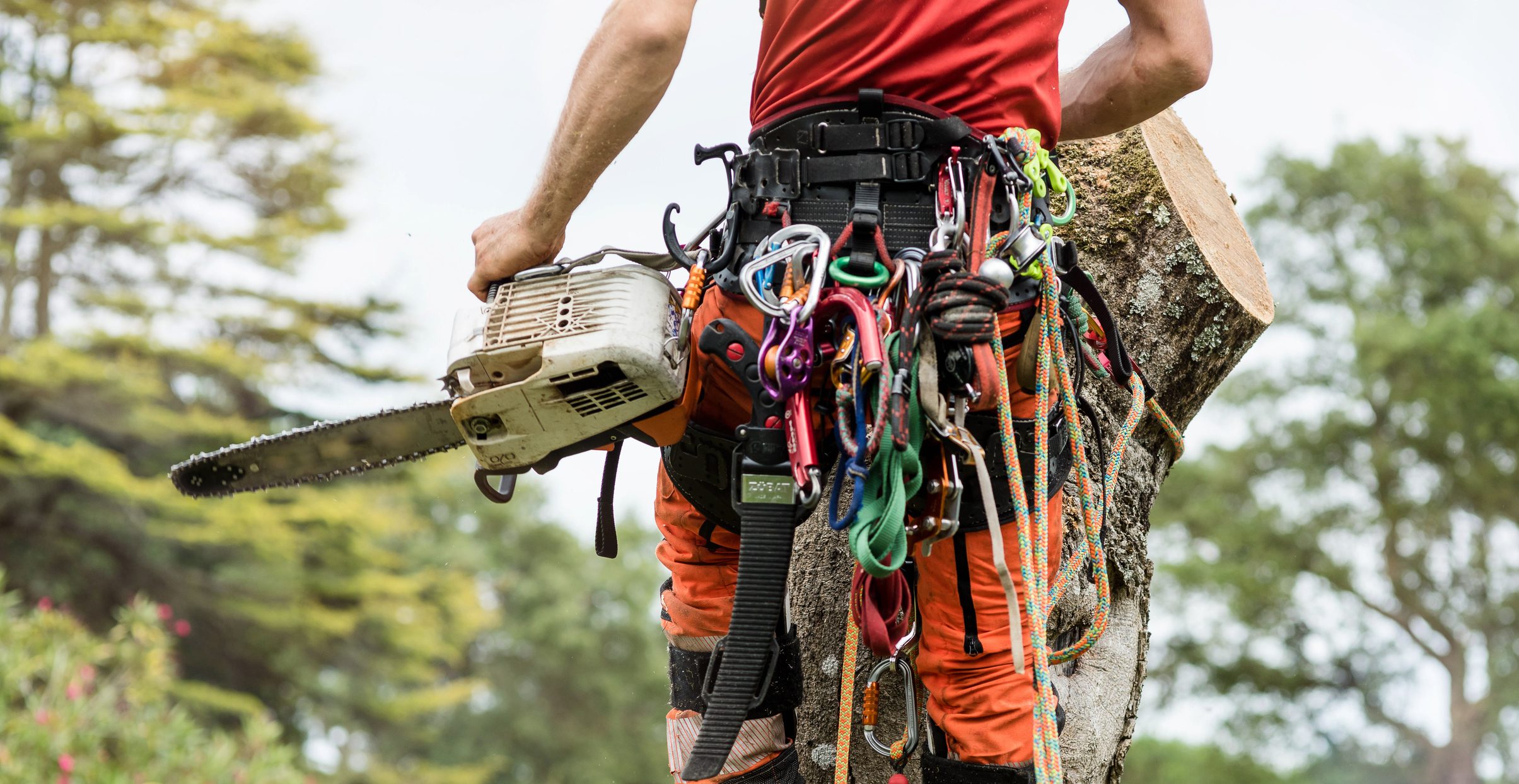
Choosing a tree surgeon isn’t just about who can cut branches—it’s about who understands the local conditions, regulations, and risks.
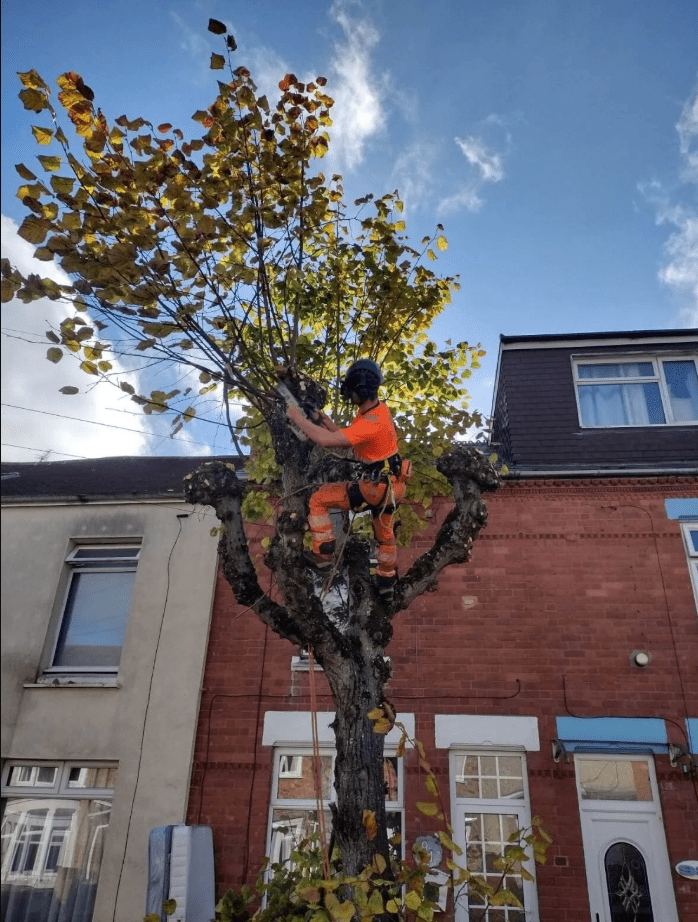
We regularly work across areas like Bebington (CH63), Prenton (CH43), Greasby (CH49), and Bromborough (CH62), so we understand the soil profiles, drainage, and common tree species in each area. Clay-heavy ground in parts of Pensby (CH61), for example, can affect root systems and nearby structures.
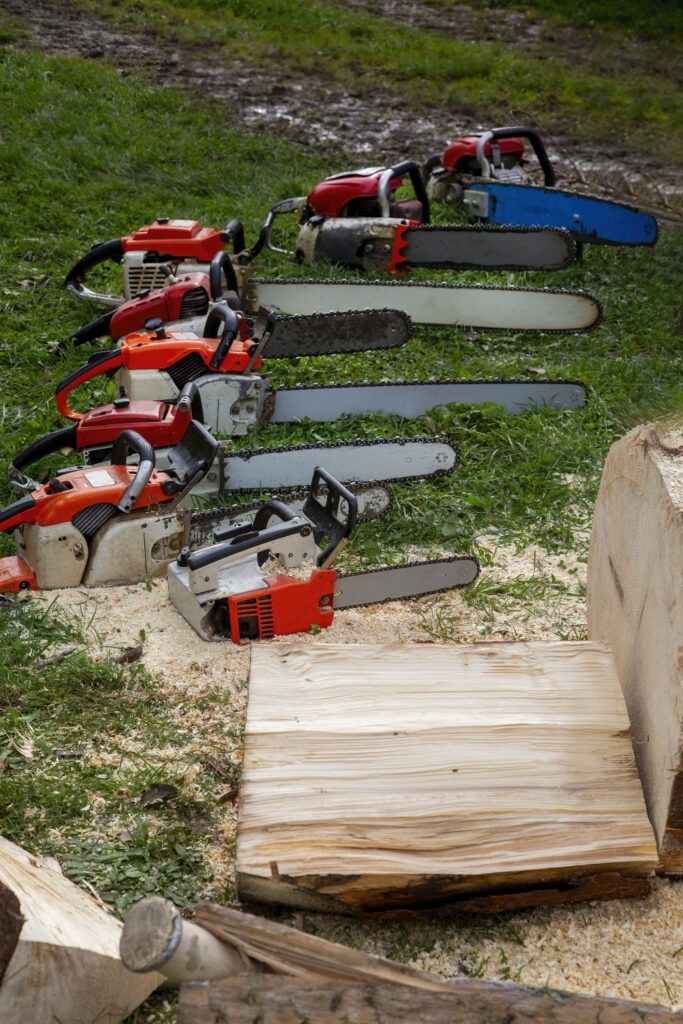
Many trees across Oxton Village, Birkenhead Park surroundings, and parts of Heswall fall under Tree Preservation Orders. We’re familiar with Wirral Council requirements and can handle checks and applications on your behalf.
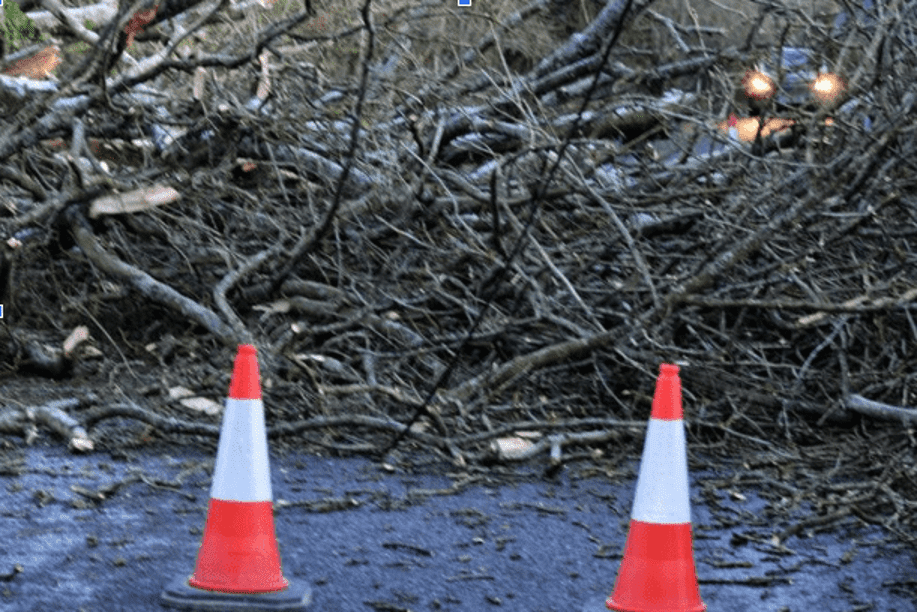
Being locally based means we can respond quickly—especially important for storm damage in exposed areas like Hoylake (CH47) or New Brighton (CH45).
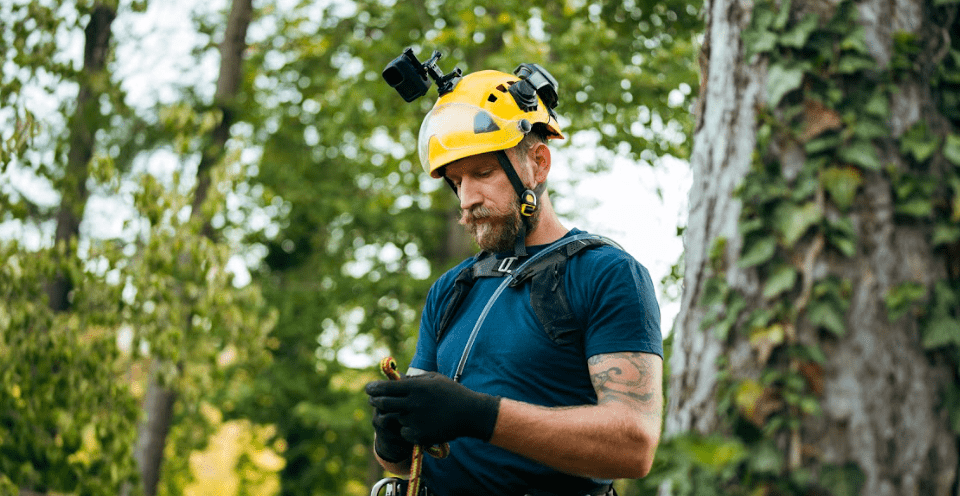
We prioritise the safety of our team, your property, and the surrounding environment during every project. We employ safety practices and equipment, and hold all necessary qualifications and insurances.
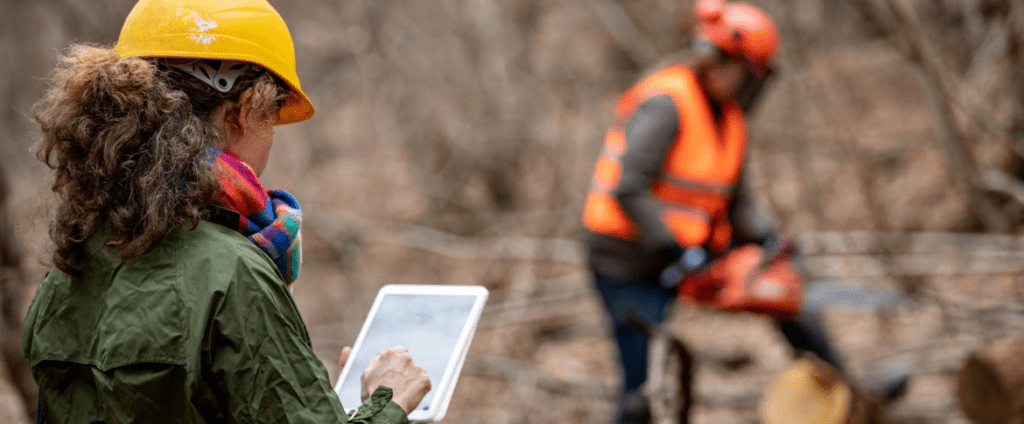
During the removal process, our professionals can assess the health of surrounding trees. They can identify potential problems and offer solutions to prevent future hazards
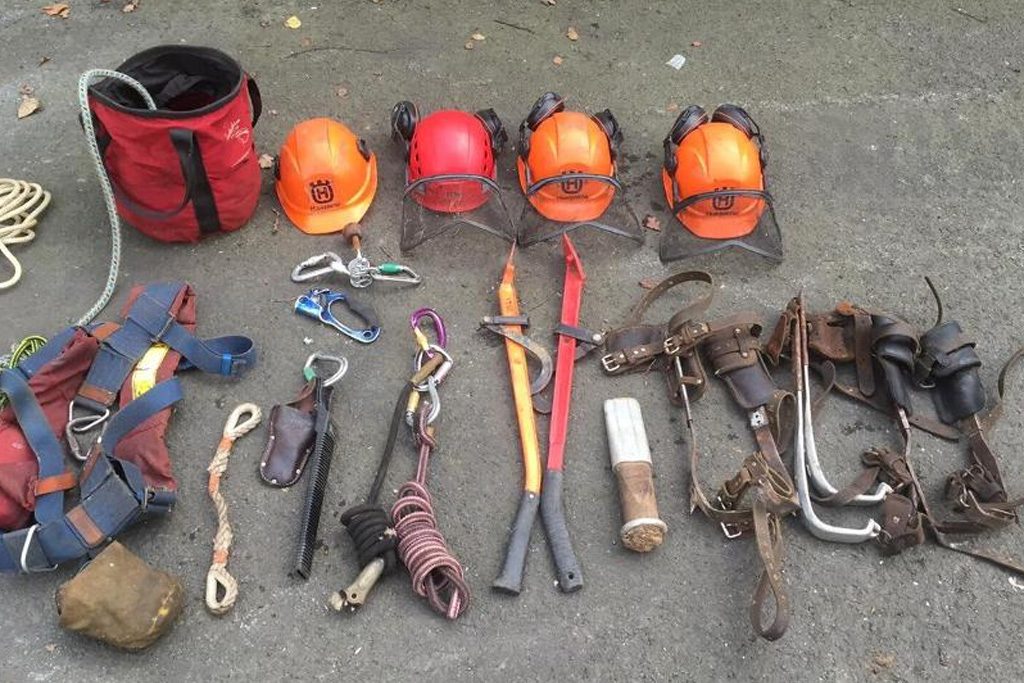
From narrow terraced gardens in CH42 to larger properties in CH60, we use climbing systems, rigging, and controlled dismantling techniques to work safely without damaging your property.
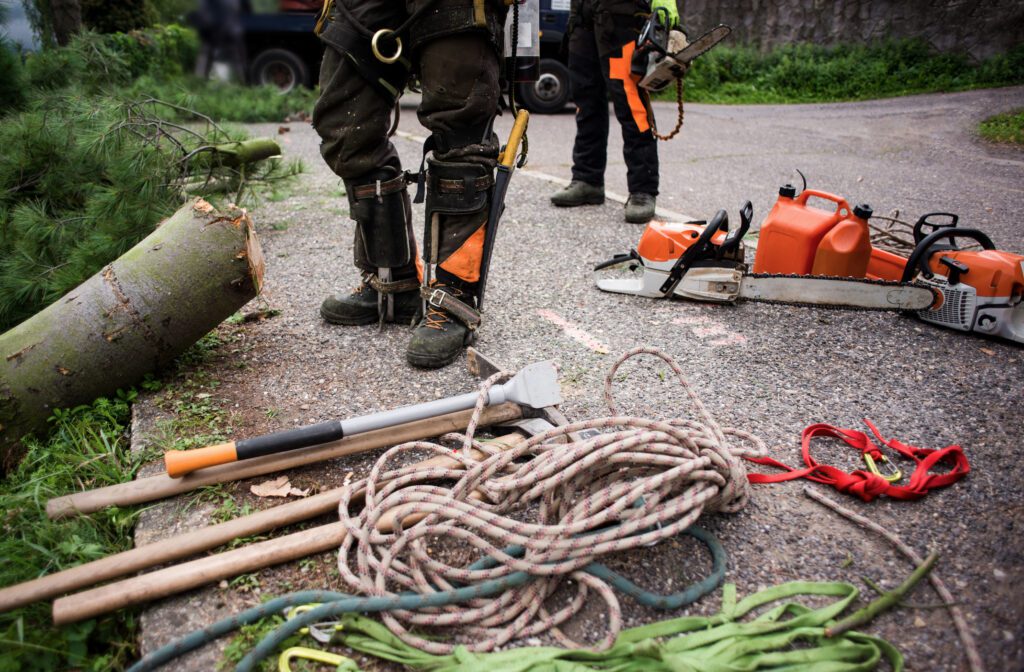
Every job includes full waste removal, with timber and green waste recycled wherever possible.
Here’s a closer look at recent projects across different parts of the peninsula—each one reflecting the kind of challenges local homeowners deal with.
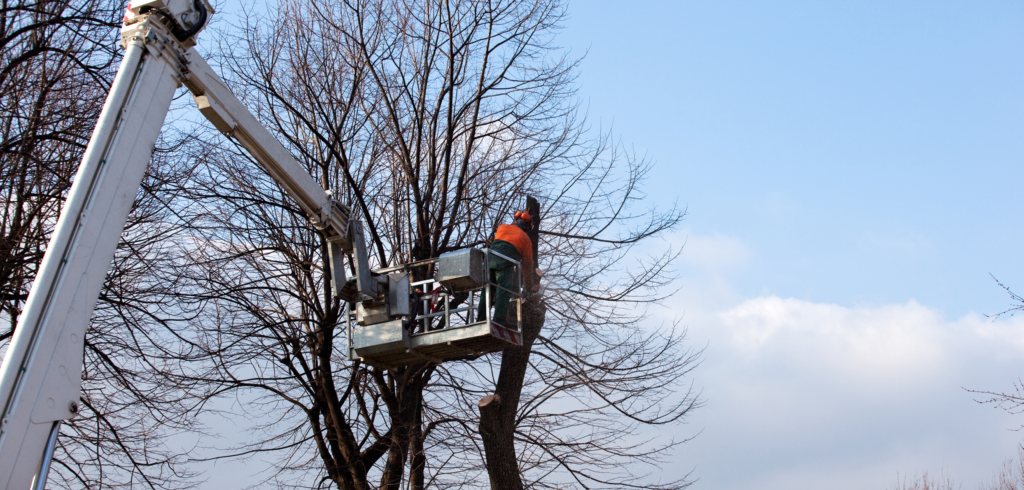
A homeowner near the heart of Oxton Village contacted us about a mature sycamore that had gradually outgrown its space. The canopy was pressing closer to the property and significantly reducing natural light into the garden.
We carried out a structured crown reduction, carefully reducing both height and lateral spread while maintaining the tree’s natural shape. By following BS3998 standards, we ensured the pruning supported long-term health rather than just short-term size control.
The difference was immediate—more daylight into the garden, improved clearance from the building, and a tree that looked balanced rather than heavily cut back.
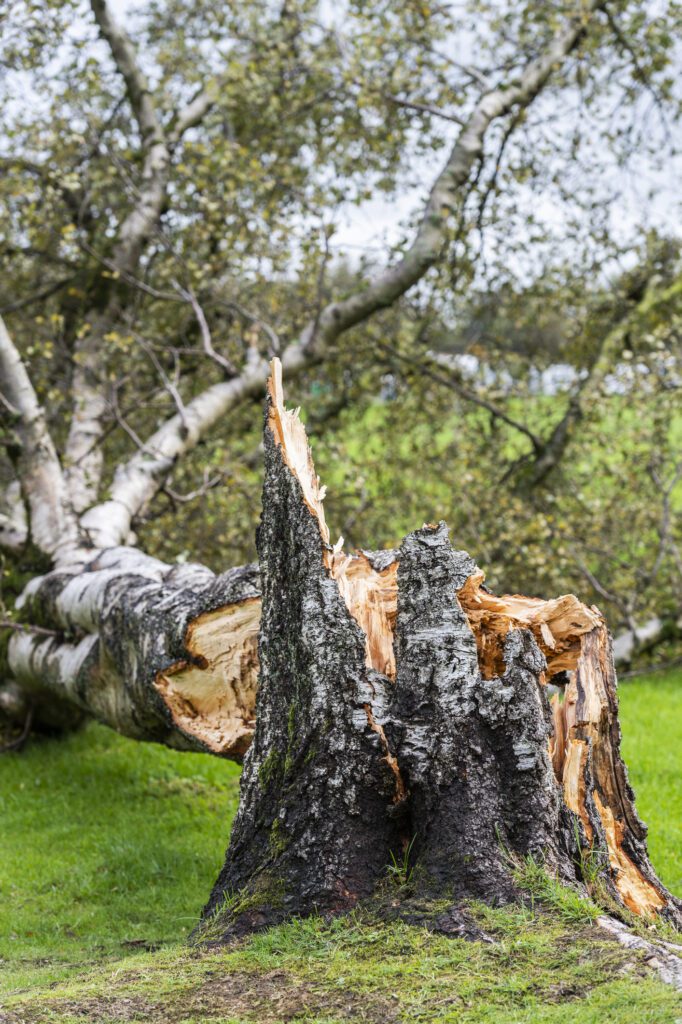
Coastal weather can be unforgiving, and this was clear after strong winds swept through New Brighton. A mature ash tree had suffered multiple limb failures, leaving large branches hanging dangerously over a rear garden.
We attended quickly, securing the area before removing the damaged sections using controlled rigging techniques. Rather than removing the entire tree, we stabilised the remaining structure, allowing it to recover safely.
This kind of targeted approach is often the best solution—preserving the tree where possible while removing immediate risk.
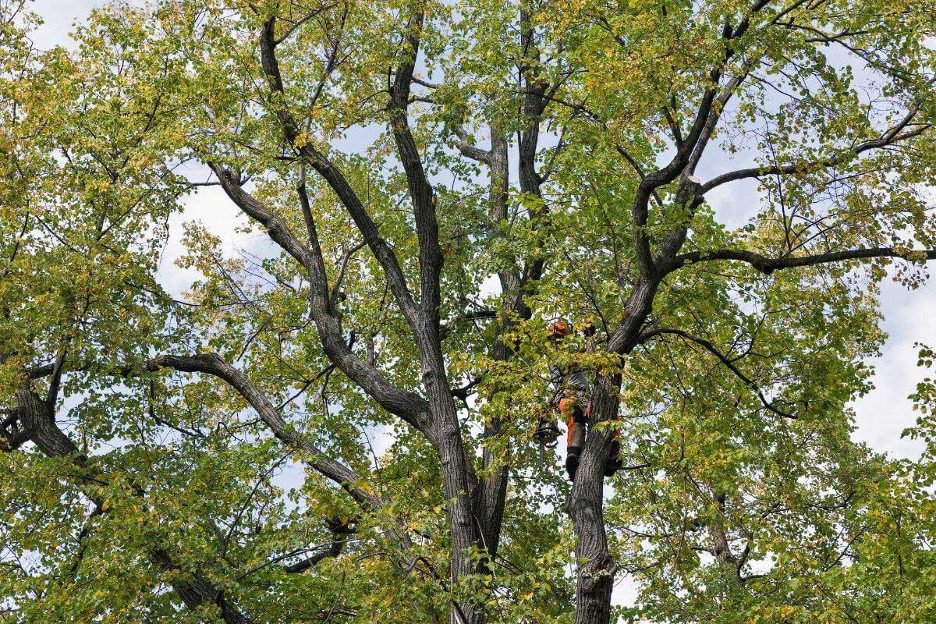
In a residential part of Heswall, we were asked to maintain a number of ornamental trees forming a garden boundary. Over time, the canopy had thickened, reducing airflow and making the space feel enclosed.
We carried out selective pruning to thin the canopy and lift lower branches. This improved light penetration and air movement, which is particularly important for preventing disease in sheltered gardens.
The result was a cleaner, more open space with healthier trees that will be easier to manage going forward.
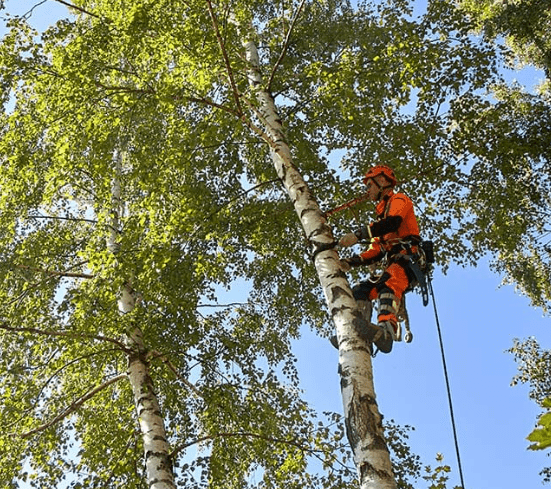
A declining silver birch near Birkenhead had become unstable and was beginning to lean toward a driveway.
Due to limited access and nearby structures, we used sectional dismantling—removing the tree piece by piece using ropes and lowering systems. This ensured complete control throughout the process, avoiding any damage to the driveway, fencing, or surrounding garden.
All timber was removed, and the site was left clear and ready for replanting if desired.
We provide a full range of tree surgery services across all CH postcode areas, but some are especially common due to local conditions:
Each service is tailored to the specific tree species, location, and surrounding environment rather than using a one-size-fits-all approach.
“Great job from start to finish. They reduced a large tree in our garden in Heswall (CH60) and left everything spotless. You wouldn’t even know they’d been.”
“After storm damage in New Brighton, they came out quickly and made everything safe the same day. Really reassuring to deal with a local team.”
“We had a tricky removal in a tight garden in Birkenhead (CH41). Everything was done carefully with no damage at all—highly recommend.”
Tree work isn’t always as simple as picking up a saw. Across Wirral, certain trees are legally protected.
If your property is within a conservation area—common in places like Oxton (CH43)—or your tree is covered by a Tree Preservation Order, you’ll need permission before carrying out work. These regulations are managed by Wirral Council and are designed to protect the area’s green character.
We handle this process for you, from checking protection status to submitting applications, ensuring everything is fully compliant before work begins.
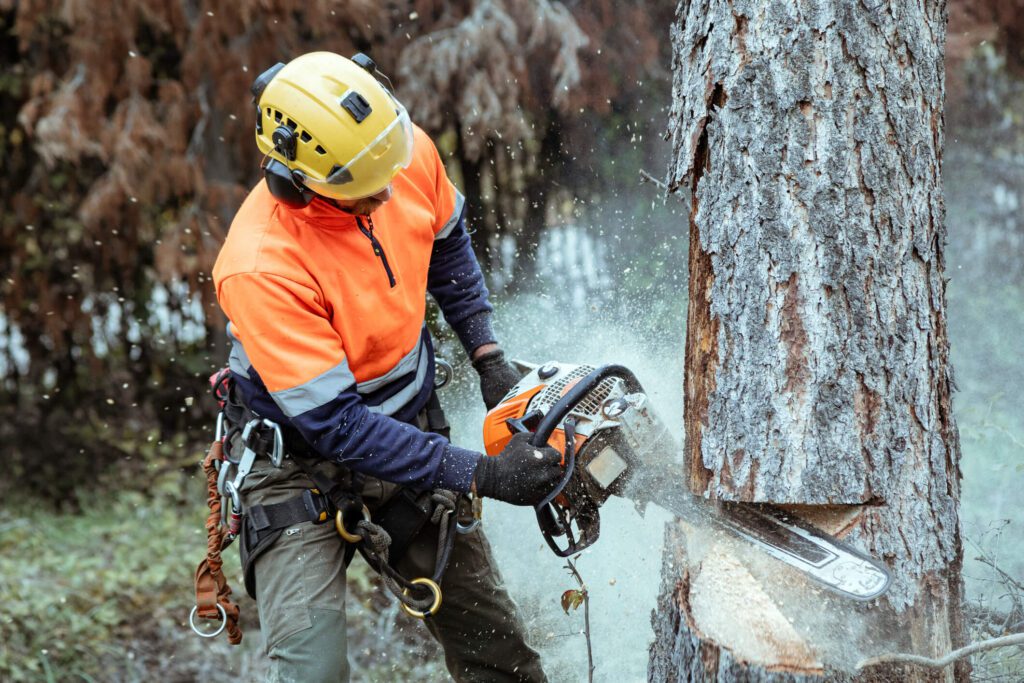
What makes tree surgery on the Wirral different is the combination of coastal exposure, soil conditions, and property styles.
Because we work across these environments daily, we’re able to adapt our methods to suit each situation properly.
We’ll assess your trees, explain your options clearly, and carry out the work safely, efficiently, and with full respect for your property and the local environment.
Yes—areas like West Kirby (CH48), Hoylake (CH47), and New Brighton (CH45) are particularly exposed. Strong, consistent winds can weaken branch unions over time and increase the risk of limb failure. Tree crown thinning can help reduce wind resistance and improve stability.
In parts of Wirral with clay-heavy ground—such as CH61 and CH62—soil movement can occur during wet and dry cycles. Tree roots don’t usually “break” structures directly, but they can contribute to ground movement. We assess each situation and often resolve issues through pruning or root management rather than removal
Tall conifer hedges are common across areas like Heswall (CH60) and Greasby (CH49). Regular maintenance—typically once or twice a year—keeps them dense and manageable. Letting them grow unchecked often leads to thinning at the base and costly reductions later on.
Whether you need tree removal, trimming, stump grinding, hedge maintenance, or urgent storm assistance, we’re here to help.