Before foundations go in, before a driveway is laid, before a garden redesign even begins — the land has to be cleared. It sounds simple, but land and site clearing is one of the most consequential early stages of any building or landscaping project, and getting it wrong can cause expensive delays later. Here’s what’s actually involved for projects across Chester and the wider Cheshire area.
What Counts as Site Clearance?
Site clearance covers removing everything standing between a piece of land and its next use, including:
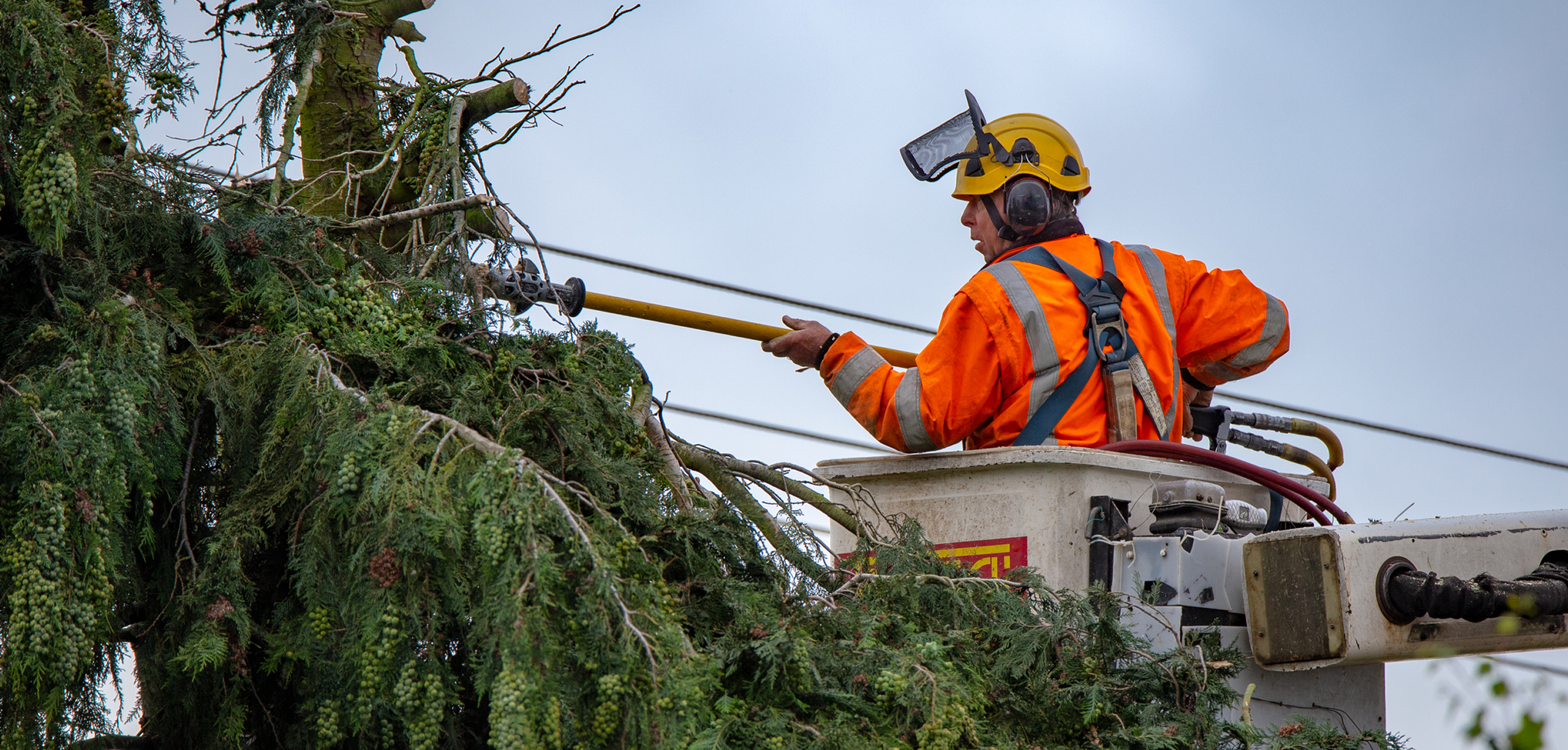
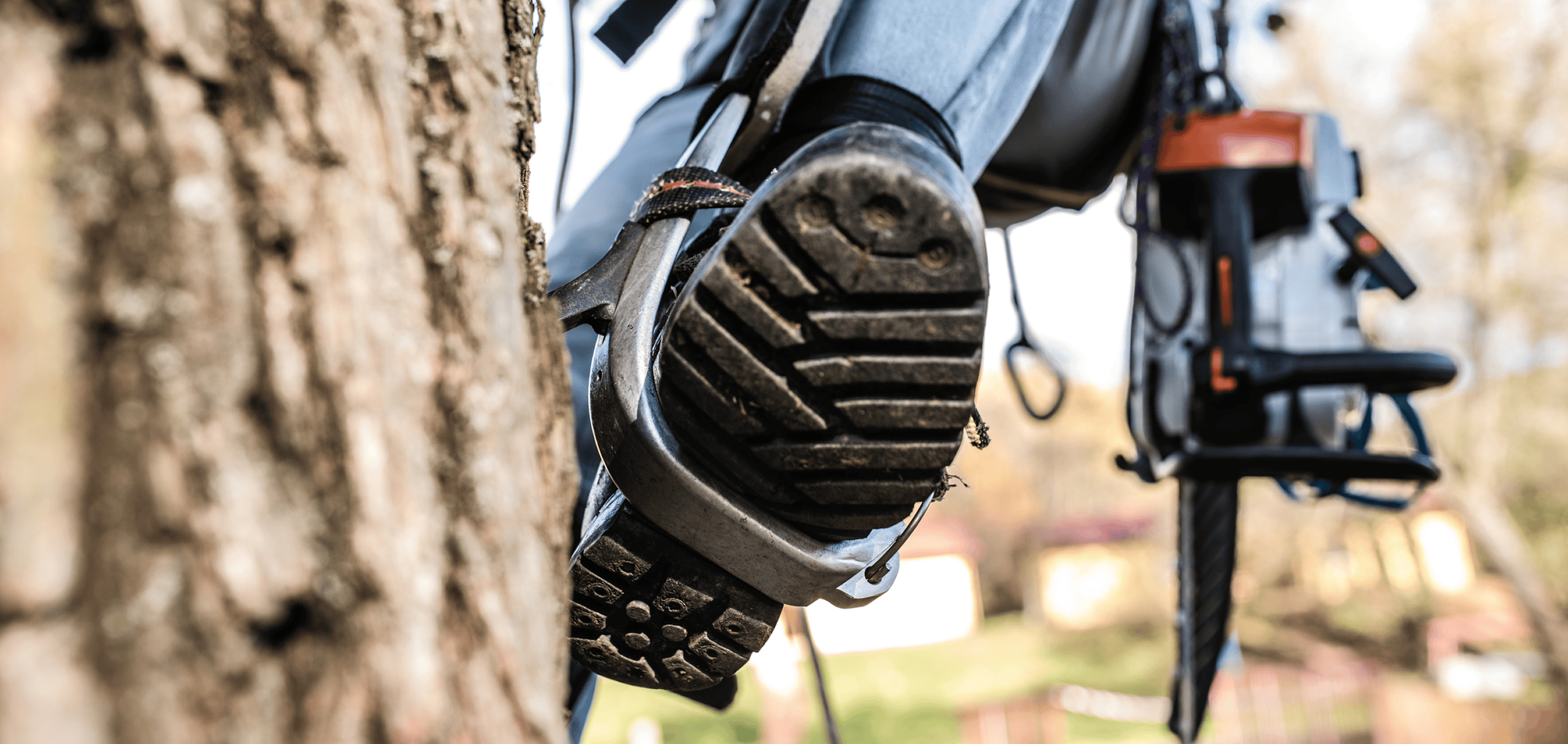
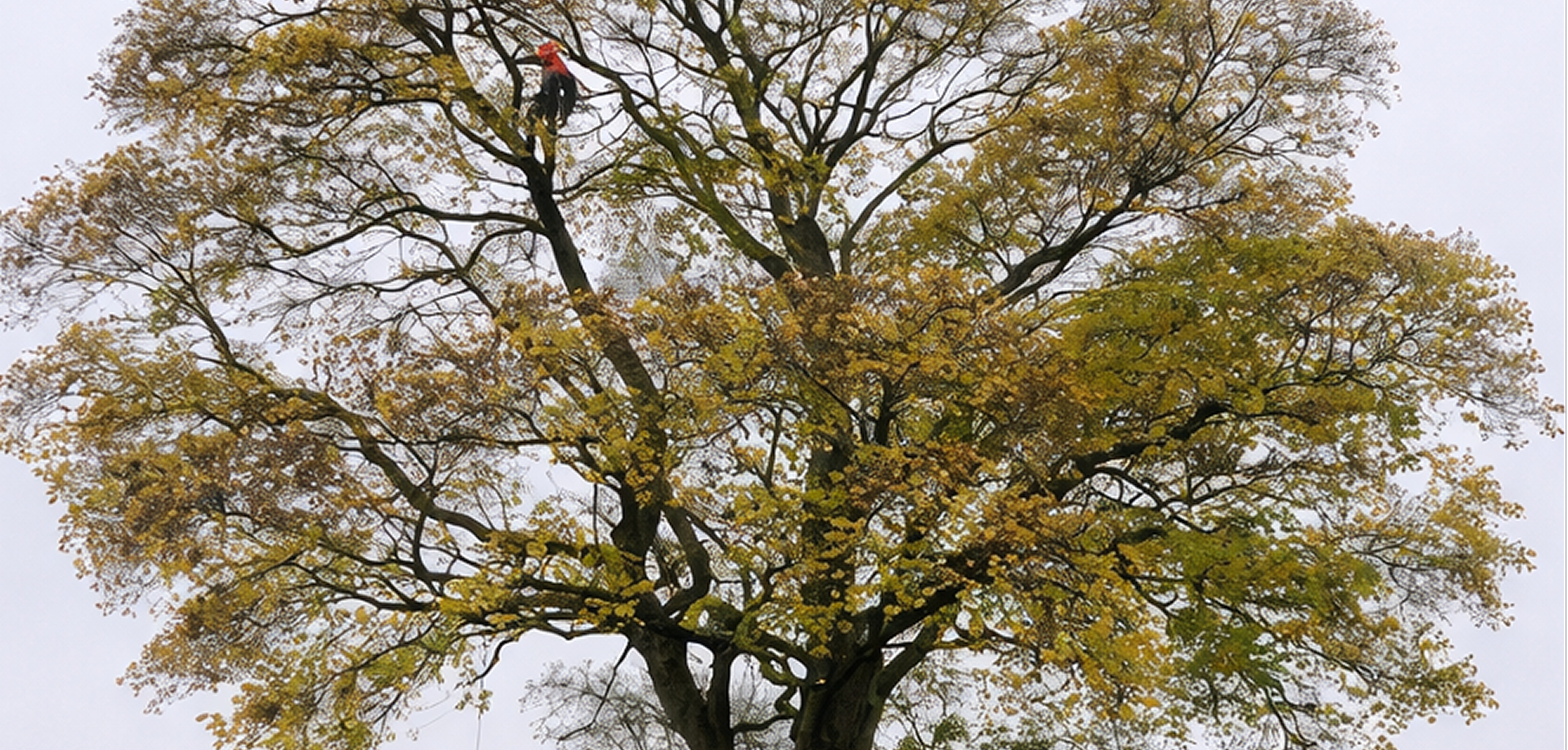
- Trees, stumps, and root systems
- Overgrown vegetation, scrub, and hedgerows
- Fencing, outbuildings, or other minor existing structures
- General debris and green waste
- Levelling and preparing the ground surface for construction or landscaping
Why Proper Clearance Matters More Than It Looks
Skipping steps at this stage tends to resurface later — quite literally. Leftover roots can cause subsidence issues or interfere with foundations and drainage; undocumented vegetation removal on a site with protected trees can trigger planning issues after the fact; and improperly disposed waste can result in significant fines if it’s later traced back to the landowner. A professional clearance sets the site up properly from day one.
Typical Costs for Land Clearance
Costs vary enormously with site size, vegetation density, and access, but as a general guide:
| Job Type | Typical UK Price Range |
|---|---|
| Domestic garden clearance | £300–£1,000 |
| Overgrown plot / light vegetation, per acre | £1,000–£2,000 |
| Wooded or heavily vegetated land, per acre | £2,000–£3,900+ |
| Larger commercial/development site clearance | £2,500–£20,000+ |
Larger sites often benefit from economies of scale, with the price per acre coming down as the total area increases — but complexity (slopes, poor access, protected trees, hazardous materials) can push costs back up regardless of size.
What Affects the Final Price
- Size of the site — bigger areas cost more overall but can be more cost-efficient per acre.
- Density and type of vegetation — a few shrubs is a very different job to a mature wooded plot.
- Access — remote or restricted sites take longer and need different equipment.
- Waste disposal requirements — green waste, timber, and general debris all need to be handled through licensed waste carriers.
- Protected trees or hedgerows — sites with a TPO or conservation area designation need permissions sorted before work starts.
Permissions to Check Before You Start
Before any clearance work begins on a development site, it’s worth confirming:
- Whether any trees on-site are covered by a Tree Preservation Order or sit in a conservation area
- Whether the site includes a hedgerow protected under the Hedgerow Regulations, which can require notifying the local planning authority before removal
- Whether nesting birds, bat roosts, or other protected wildlife could be present, which may restrict timing
- Whether planning permission for the wider project is already confirmed, since clearance is sometimes tied to conditions in the approval
How the Process Usually Works
A well-run clearance project typically follows this sequence:
- Site assessment — surveying vegetation, structures, access, and any obvious hazards.
- Permissions check — confirming TPO, conservation area, and wildlife considerations.
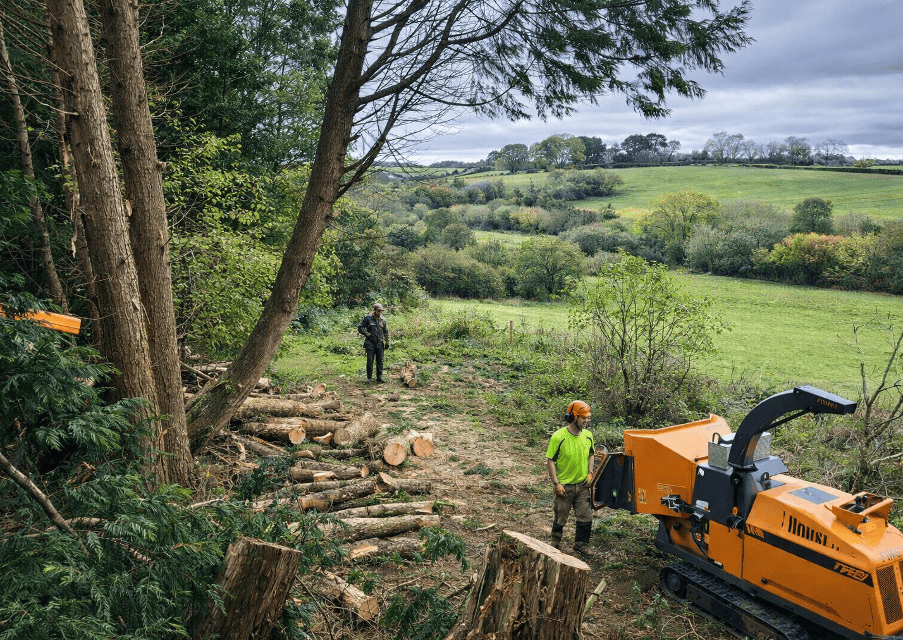
- Clearance and removal — felling, stump grinding, vegetation removal, and levelling.
- Waste handling — responsible disposal or recycling through licensed carriers.
- Handover — a clean, level, ready-to-use site for the next stage of the project.
Serving Development and Landscaping Projects Across Cheshire
We regularly support builders, developers and homeowners with land and site clearing across Chester, Winsford, Northwich, Nantwich, and Crewe, alongside our core tree felling and removal and stump grinding services, so a full site can be cleared, stump-free and level, by a single crew.
FAQs
Do I need planning permission to clear land?
Clearing vegetation itself doesn’t always need separate permission, but removing protected trees, hedgerows, or working within a conservation area does — always check before starting.
What happens to the trees and vegetation that are cleared?
Timber and green waste are typically chipped, recycled, or removed via a licensed waste carrier; woodchip can often be left on-site if you’d like to reuse it.
How long does a typical site clearance take?
A domestic garden can often be cleared in a day, while larger development sites may take several days to a few weeks depending on scale and complexity.
Can you clear land that includes some protected trees?
Yes — we’ll help identify which trees are protected, handle the council application where needed, and plan the clearance around what can and can’t be removed.
Planning a build or landscaping project in Chester and need land cleared properly? Request a free site visit: Contact Us