
A pruning method that keeps trees smaller by removing upper branches and maintaining a compact, controlled shape.
If your trees are becoming too large, blocking light, or interfering with buildings or roads, tree pollarding in Chester is one of the most effective long-term solutions. We provide expert tree pollarding Chester services for residential and commercial properties, helping you maintain safe, controlled, and healthy trees all year round.
📞 Call now for a free quote or site visit
Tree pollarding is a specialist pruning technique that requires precision, planning, and ongoing maintenance. Our qualified arborists carry out all work safely and professionally, ensuring your trees remain structurally sound while improving their appearance and usability within your space.
✔ Fully insured tree surgeons
✔ NPTC qualified arborists
✔ Local Chester specialists
✔ Domestic & commercial work
✔ Ongoing maintenance plans available
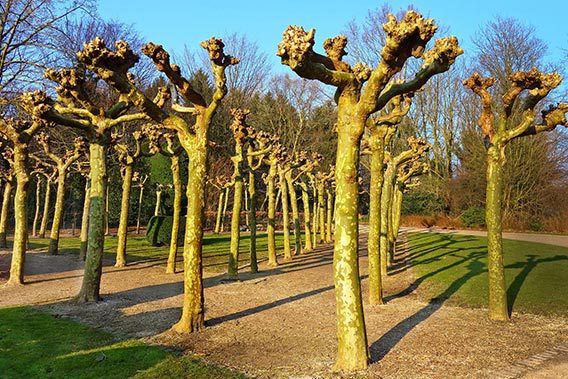
Tree pollarding is a structured pruning method used to control the size and shape of a tree by removing its upper branches and maintaining a compact framework.
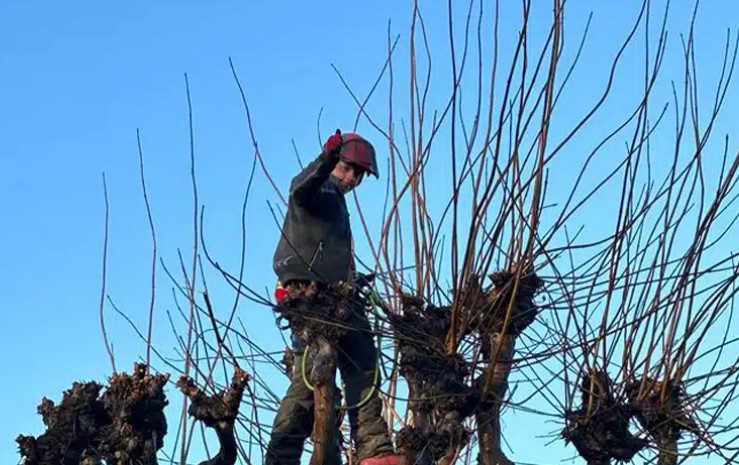
Unlike general pruning, pollarding is not a one-off job—it is a planned, cyclical process. Once established, the tree is regularly maintained to keep growth controlled and consistent.
The process involves:
Over time, pollarded trees develop distinctive rounded growth points (often called “knuckles”), which are a natural result of repeated pruning.
This technique is widely used in urban areas like Chester, where trees must be carefully managed around buildings, roads, and infrastructure.
There’s a reason tree pollarding in Chester is so commonly recommended—it solves multiple problems at once while preserving the tree.
Common reasons for pollarding include:
If you’re searching for a tree surgeon near me to control overgrown trees without removing them, pollarding is often the ideal solution.
Timing is crucial when starting a tree pollarding programme.
The best time to begin is when a tree reaches its desired height or size. Starting early helps establish a strong framework that can be maintained over time.
Once pollarding has started, it must be continued regularly. If it’s neglected, the tree can revert to uncontrolled growth, which may lead to:
For most species, annual or routine tree pollarding in Chester is recommended to maintain health and shape.
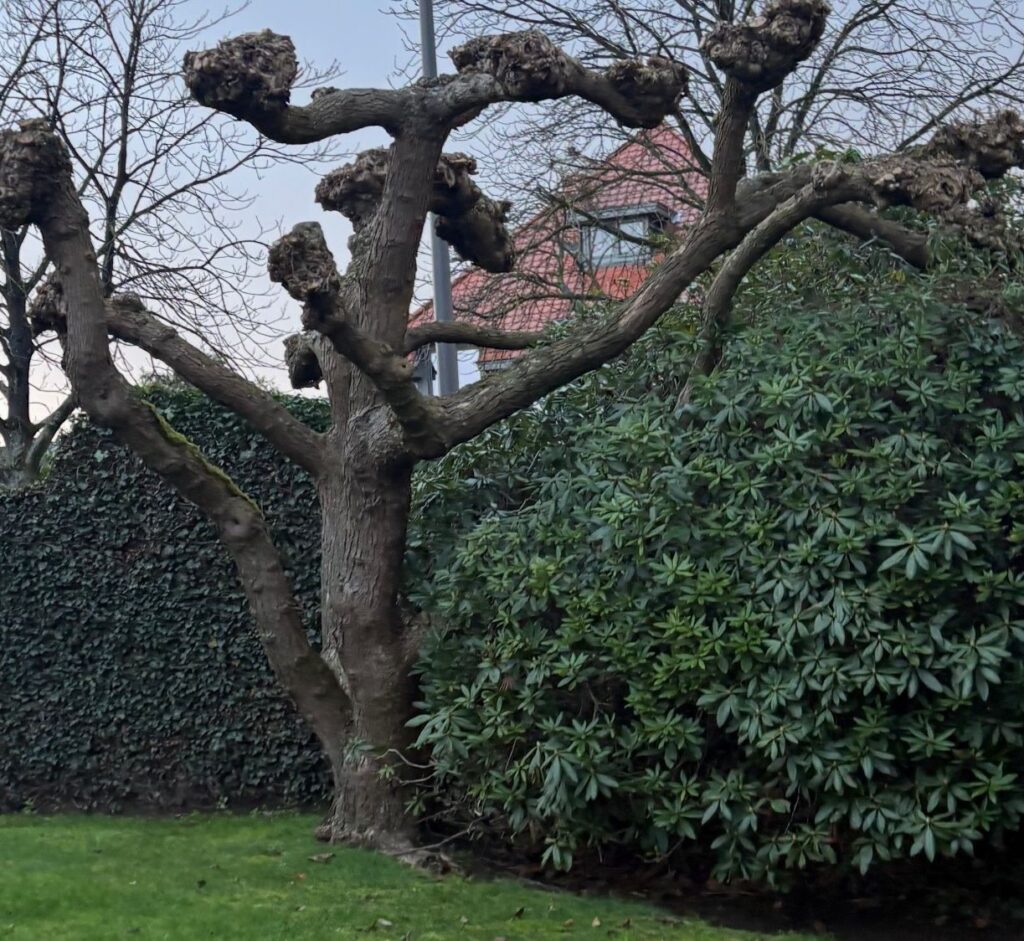
Seasonal timing plays a key role in successful pollarding.
In most cases, the ideal time is late winter to early spring, when trees are dormant.
This provides several advantages:
Carrying out tree pollarding Chester at the right time helps reduce the risk of disease and ensures better long-term results.
These species respond very well and are commonly used in urban tree management.
These can be pollarded, but require correct timing and technique.
These are occasionally pollarded but require expertise.
Fast-growing but can become unstable.
Historically pollarded, but disease issues exist.
Responds well in some conditions.
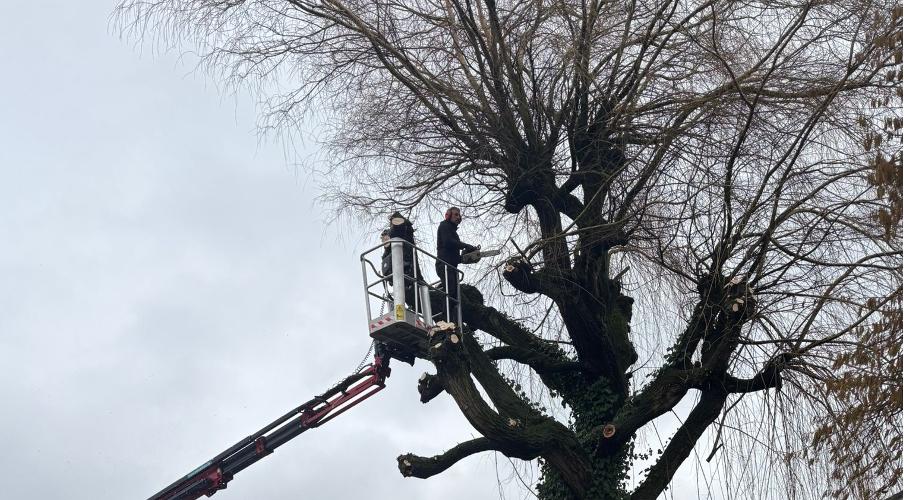
Regular tree pollarding Chester offers a wide range of benefits for both property owners and the trees themselves.
These include:
Pollarding is especially useful in towns like Chester, where space is limited and trees must coexist with buildings and infrastructure.
Our experienced team provides safe and precise tree pollarding services in Chester, tailored to each individual tree and environment.
We assess:
Using professional equipment and proven techniques, we ensure every job is carried out efficiently and to the highest standard.
If you’re looking for a reliable tree surgeon in Chester, we provide expert guidance and practical solutions that work long term.
We follow a structured approach to deliver consistent, high-quality results:
This process ensures every tree pollarding Chester job is completed safely, efficiently, and with long-term results in mind.
We provide tree pollarding services across Chester and surrounding areas, including:
If you’re searching for tree pollarding near me, we offer fast response times and local expertise. Further afield than Chester we also offer services in Wirral, Ellesmere Port, Runcorn, Crewe, Wrexham, Deeside, Northwich, Nantwich, Winsford, Frodsham, Tarporley.
Choosing the right team for tree pollarding in Chester ensures your trees remain safe, healthy, and well-maintained.
We are known for:
Qualified and insured tree surgeons
Safe and precise pollarding techniques
Modern equipment and best practices
Reliable and consistent maintenance
Transparent pricing and free quotes
We focus on delivering professional results that protect both your property and your trees.

Most trees require pollarding annually or every 2–3 years, depending on species and growth rate.
Yes, when done correctly, pollarding promotes healthy growth and long-term stability.
Not all species are suitable. We assess each tree to determine the best approach.
No—when carried out professionally, it helps maintain structure and reduce risk.
Costs vary depending on size, location, and complexity. We provide free quotes with no obligation.
If you’re looking for expert tree pollarding in Chester, our team is ready to help.
Whether you need a one-off service or ongoing tree pollarding Chester, we deliver reliable, professional results.
Don’t let overgrown trees become a problem. With the right care and maintenance, you can keep them safe, healthy, and perfectly suited to their environment.
📞 Contact us today for professional tree pollarding in Chester
We provide trusted, high-quality services across Chester—helping you manage your trees the right way, for the long term.