Most trees give warning signs long before they actually fail — the trouble is, most of us don’t know what to look for. This guide covers the eight clearest signs that a tree needs professional attention, and where the line sits between routine tree health and maintenance and a tree that needs to come down.
1. A Sudden or New Lean
A tree that has always leaned slightly is often perfectly stable. A new lean, or one that’s noticeably worsened, is a different matter — it can indicate root damage, waterlogged or loosened soil, or internal decay compromising the trunk’s structure. If you don’t remember the lean being there before, get it checked.
2. Dead or Dying Branches (Deadwood)
An occasional dead branch is normal and is exactly what routine pruning deals with. Multiple dead branches, or dieback spreading from the tips inward across the canopy, points to a bigger underlying issue — root stress, disease, or pest damage — that’s worth a proper diagnosis rather than just removing the symptom.
3. Fungus, Mushrooms, or Bracket Fungi on the Trunk or Roots
Fungal growth at the base of a tree or on the trunk is one of the more reliable warning signs of internal decay. It doesn’t always mean the tree is beyond saving, but it does mean a professional assessment is needed to understand how much of the structure is compromised.
4. Cracks, Splits, or Cavities in the Trunk
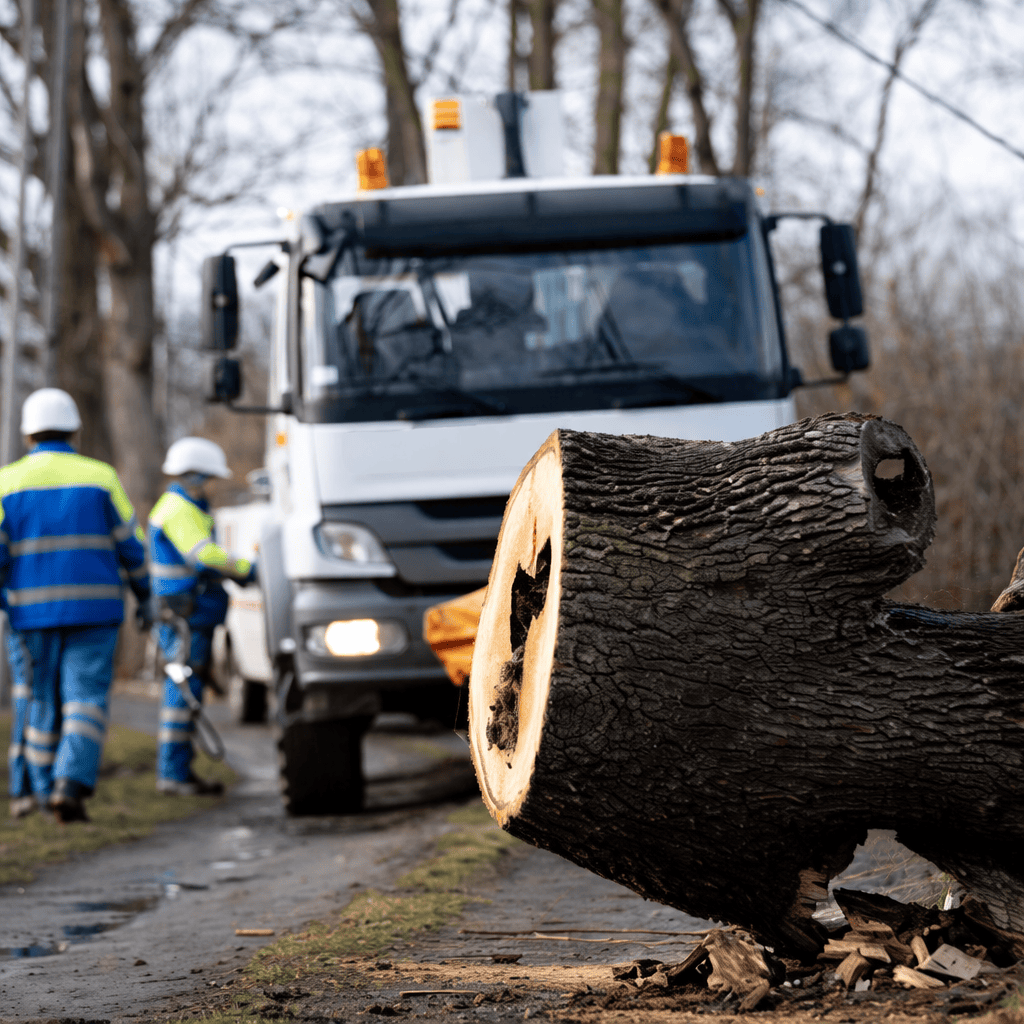
Vertical cracks, seams, large open wounds, or hollow sections in the trunk all weaken the tree’s structural integrity. As a rough guide, arborists often treat significant hollowing of the trunk’s interior as a serious red flag — a small, well-contained hollow can sometimes be monitored, but larger cavities usually point toward removal or significant remedial work.
5. Peeling, Missing, or Damaged Bark
Healthy bark protects a tree from disease and pests. Large areas of missing or damaged bark, especially combined with discolouration underneath, often indicate internal decay that isn’t visible from the outside.
6. Thinning Canopy or Significant Crown Dieback
Compare the tree’s leaf cover and vigour to similar trees nearby. Thin foliage, stunted growth, or discoloured leaves across a large part of the canopy suggest the tree is struggling — the underlying cause needs a professional diagnosis, since treatable stress and untreatable decline can look similar at first glance.
7. Storm or Wind Damage
Even if a tree didn’t fall or lose an obvious limb during a storm, it may have sustained damage that isn’t visible from ground level — a cracked trunk, loosened roots, or hairline splits in major branches. Any tree that’s been through a serious storm is worth a post-storm inspection.
8. Growing Too Close to Buildings or Power Lines
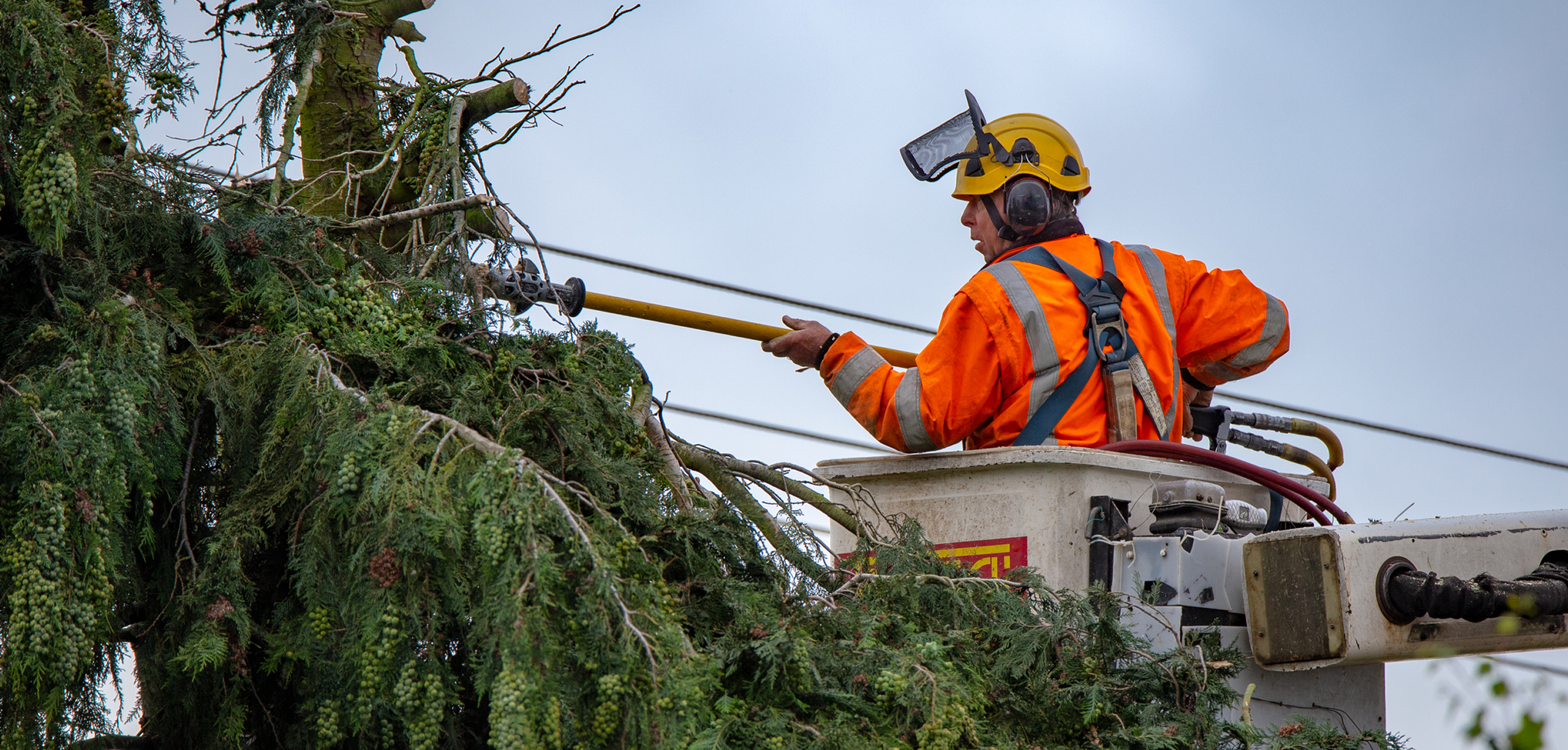
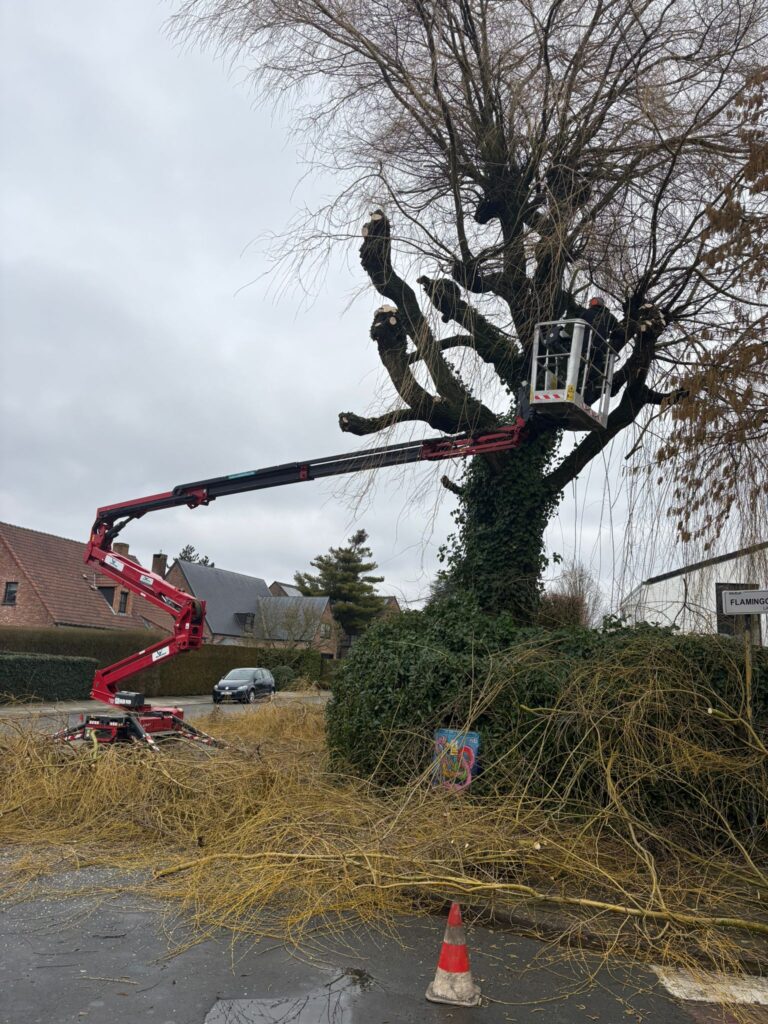
Sometimes the tree itself is perfectly healthy — the issue is proximity. Large trees growing into power lines, overhanging a roof, or positioned too close to a structure can become a hazard regardless of health, and usually need either significant reduction or removal. See our tree felling and removal service for how we handle complex removals near buildings safely.
What to Do If You Spot Any of These Signs
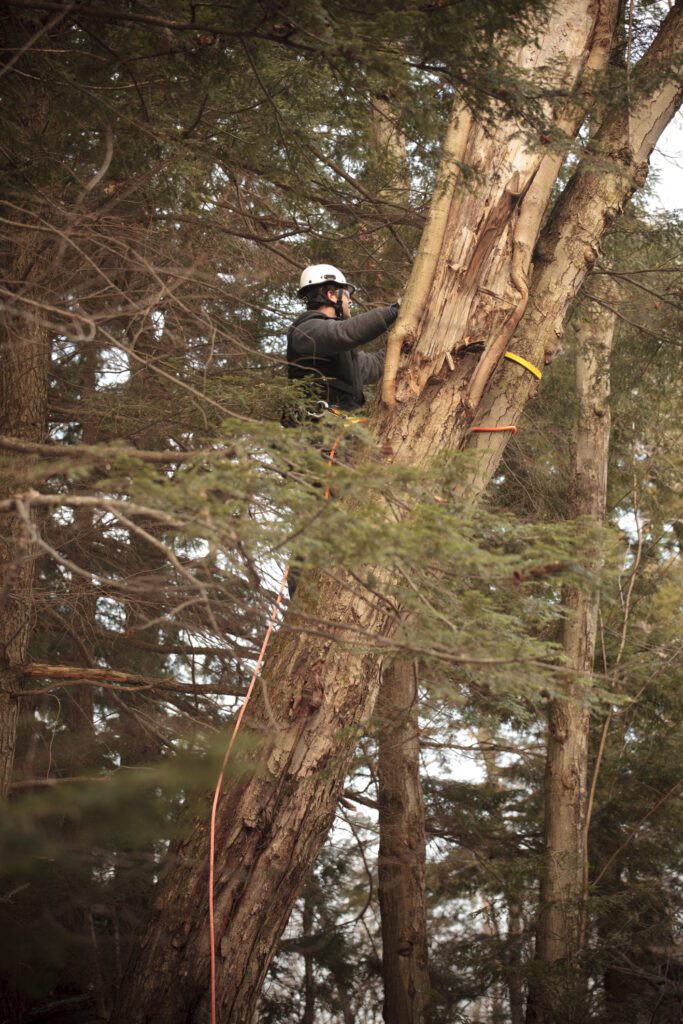
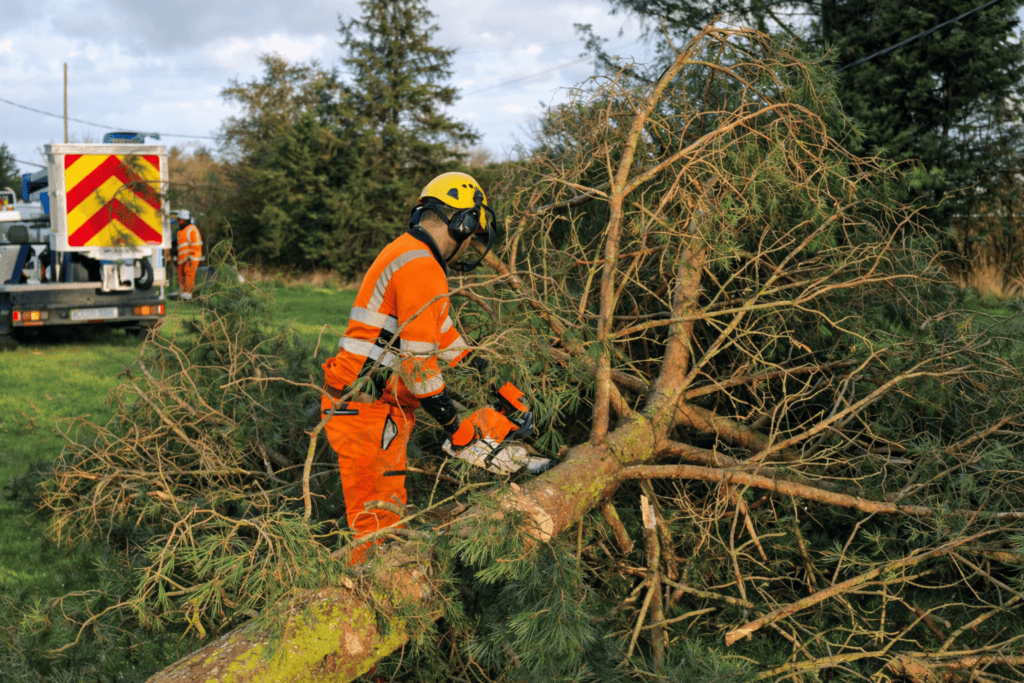
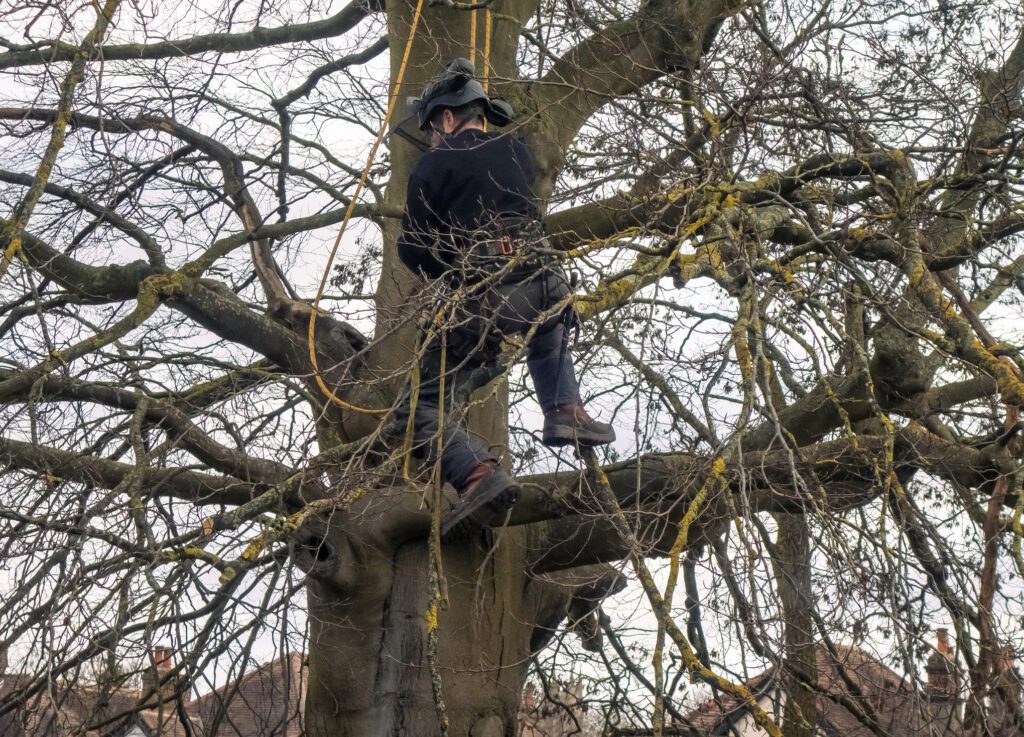
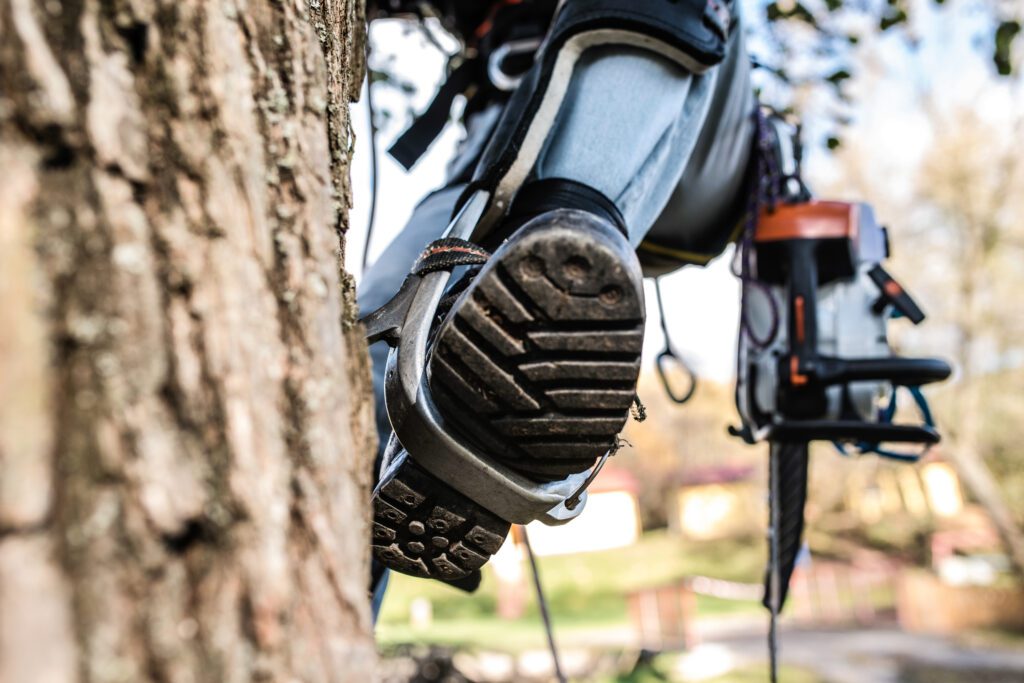
Don’t attempt to diagnose or remove a potentially hazardous tree yourself — climbing, chainsaw work, and assessing structural risk are jobs for a trained, insured arborist. A professional visit will typically involve:
- A visual and structural inspection of the trunk, canopy, and where possible the root area
- A judgement on whether the issue is treatable (pruning, cabling, deadwood removal) or requires removal
- A check for any TPO or conservation area status before recommending removal
- A clear, written recommendation and quote before any work begins
Why Early Diagnosis Saves Money
A tree caught early — showing deadwood or early signs of stress — is often resolved with routine pruning or a health assessment. Left unaddressed, the same issue frequently ends up as an emergency call-out after storm damage or failure, which almost always costs more and carries higher risk to people and property.
FAQs
Can a dying tree be saved?
Sometimes — early intervention such as deadwood removal, disease treatment, or reducing stress factors can help a struggling tree recover. Once decline is advanced, removal is usually the safer option.
Is a leaning tree always dangerous?
Not necessarily. A long-standing, consistent lean can be entirely stable. A new or worsening lean is the one that needs prompt assessment.
Do I need a professional opinion, or can I judge this myself?
Some signs are visible to anyone, but confirming the cause and deciding between treatment and removal really does need a trained arborist — misjudging a structurally compromised tree carries real safety risk.
What if the tree is on a neighbour’s property but overhangs mine?
You generally have rights to deal with overhanging growth on your own side of the boundary, but responsibility for a hazardous tree usually sits with its owner — a professional assessment can help clarify next steps.
Concerned about a tree on your property in Chester or nearby? Book a professional health assessment: Contact Us