When most people think about tree surgery, they picture someone with a chainsaw cutting down trees. But for a qualified local tree surgeon in Chester, the reality is far more varied and far more skilled than that.
From routine crown work to urgent callouts, arborists play a quiet but essential role in keeping Chester’s streets, gardens, and green spaces safe and healthy. Here’s what a typical working day actually looks like.
Early start: planning before the first cut
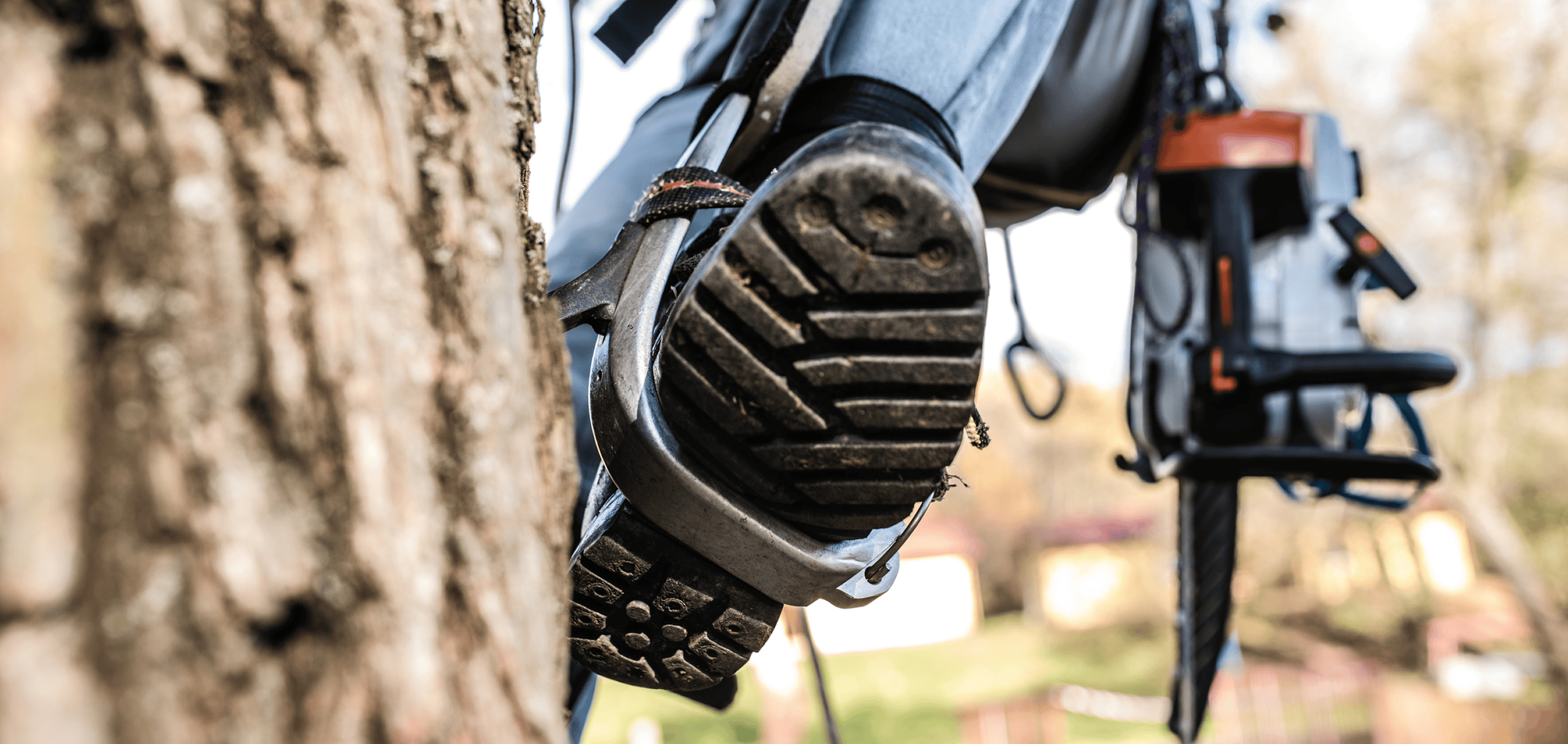
Every job starts long before any equipment leaves the van. The morning begins with reviewing site details, checking weather conditions, and inspecting tools: chainsaws, 2-stroke fuel mix, climbing gear, wood chippers, and PPE (harnesses, helmets, karabiner, rigging, ropes) all need to be in safe working order before a single branch is touched.
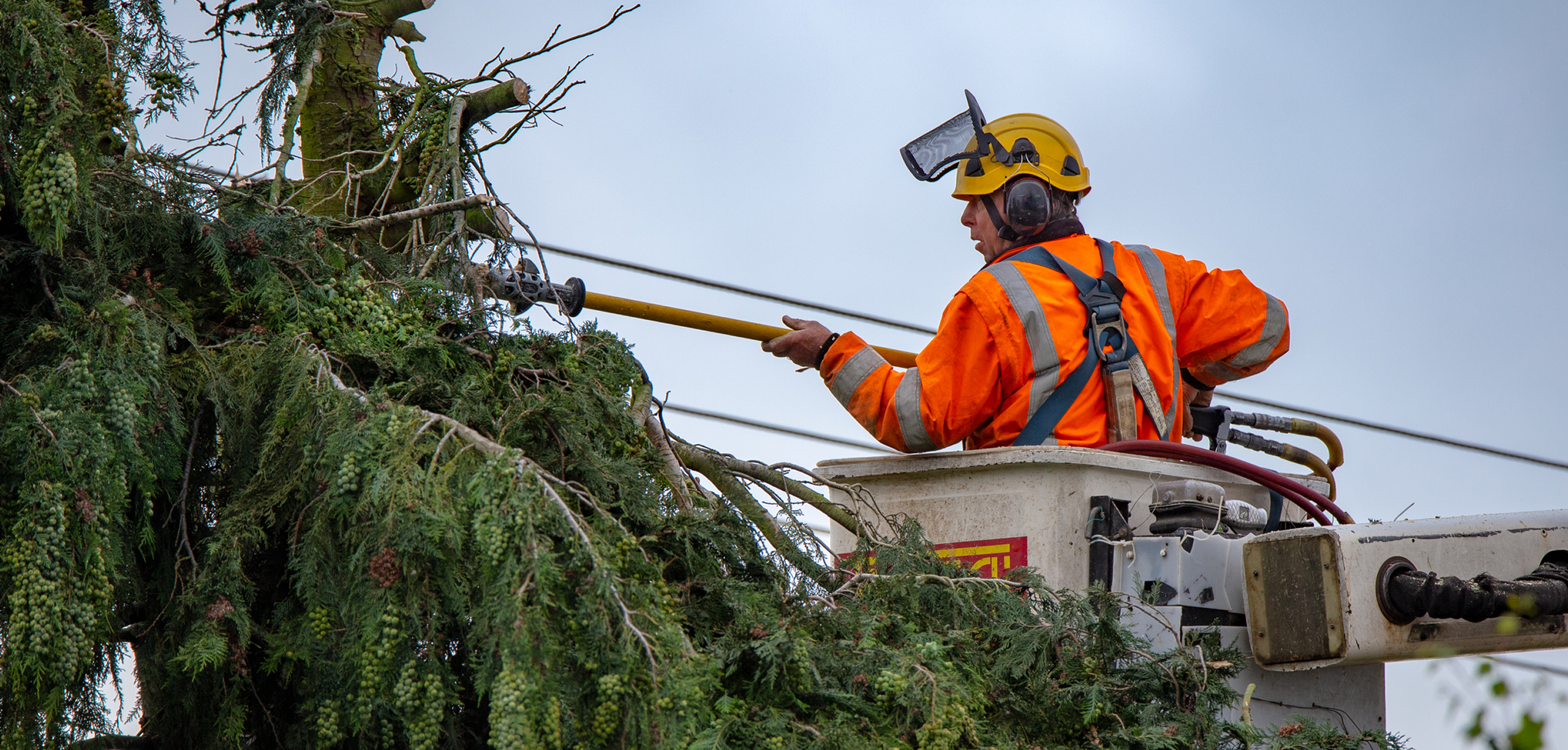
Risk assessments are carried out for every site. A tree surgeon needs to consider the size and condition of the tree, its proximity to buildings, roads, or power lines, underground utilities and whether the public needs to be kept clear of the working area. Careful planning is what separates professional tree work from guesswork.
On site: safety first, always
Once on site, the team sets up warning signs, felling cordons, barriers, and exclusion zones and even setting up specific fuelling areas for cutting equipment. Tree surgery often means working at height with heavy machinery, so safe working practices aren’t optional; they’re the foundation of every job.
This is particularly important in built-up areas. Whether it’s a residential garden in Upton or a commercial site in the city centre, protecting nearby people and property is a top priority.
Customer interaction: discussing works and requirements with customers, assessing tree health and executing the job accordingly.
The hands-on work: pruning, removal, and crown work
Most of the day is spent on practical tree work. Tree pruning is one of the most common tasks removing dead, diseased, or crossing branches to improve structure, reduce risk, and encourage healthy growth. It also makes a real difference to light levels in gardens and properties below.
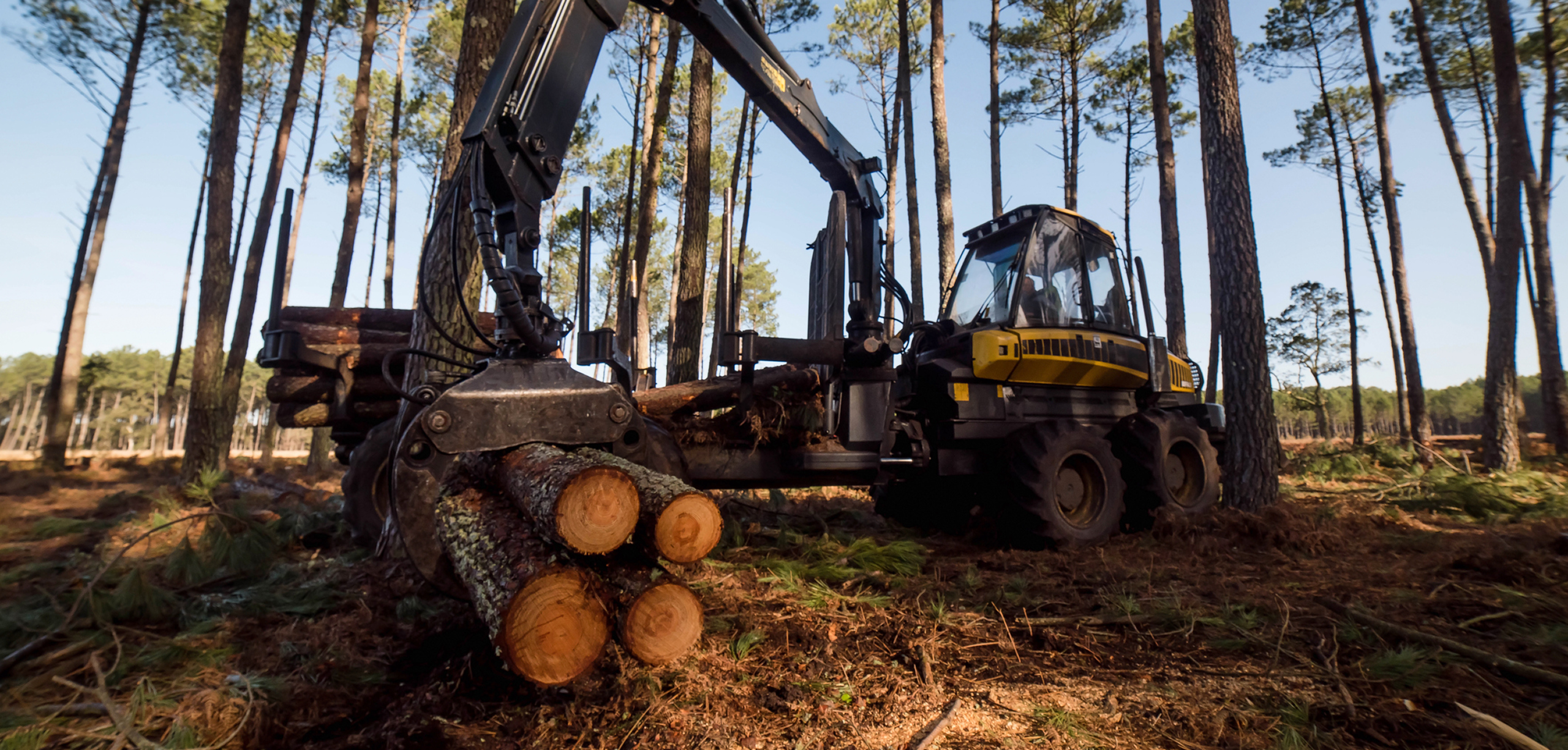
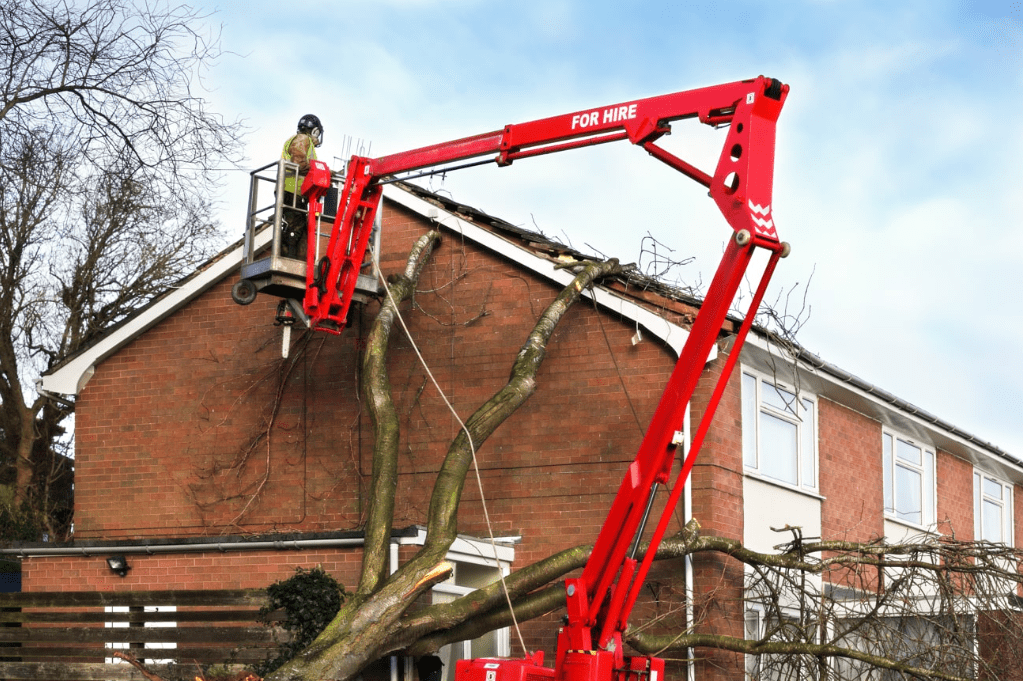
Sometimes, tree removal is unavoidable. Storm damage, disease, or a tree that’s simply in the wrong place can all require safe and controlled removal. When this happens, it’s done in sections using rigging and lowering techniques to minimise disruption.
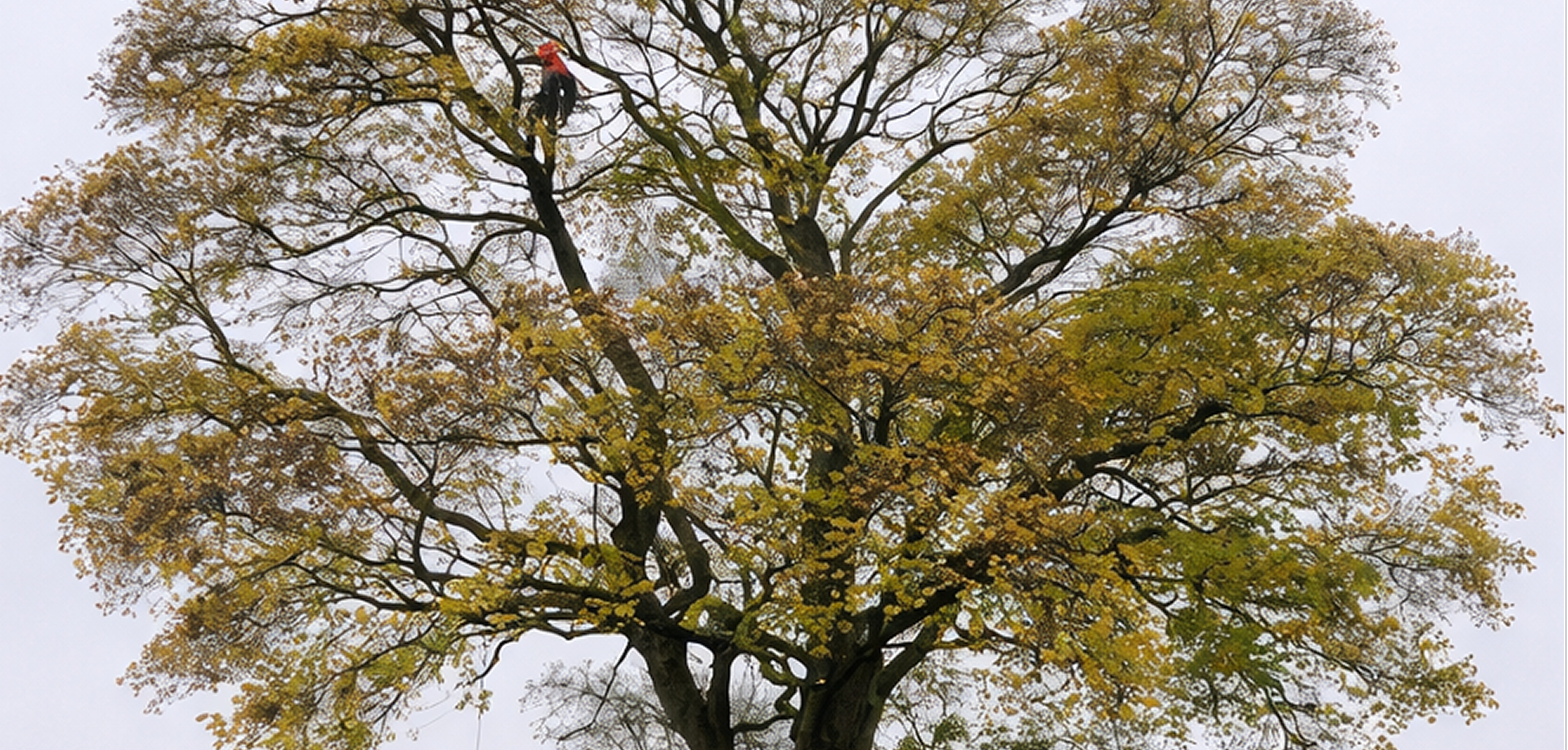
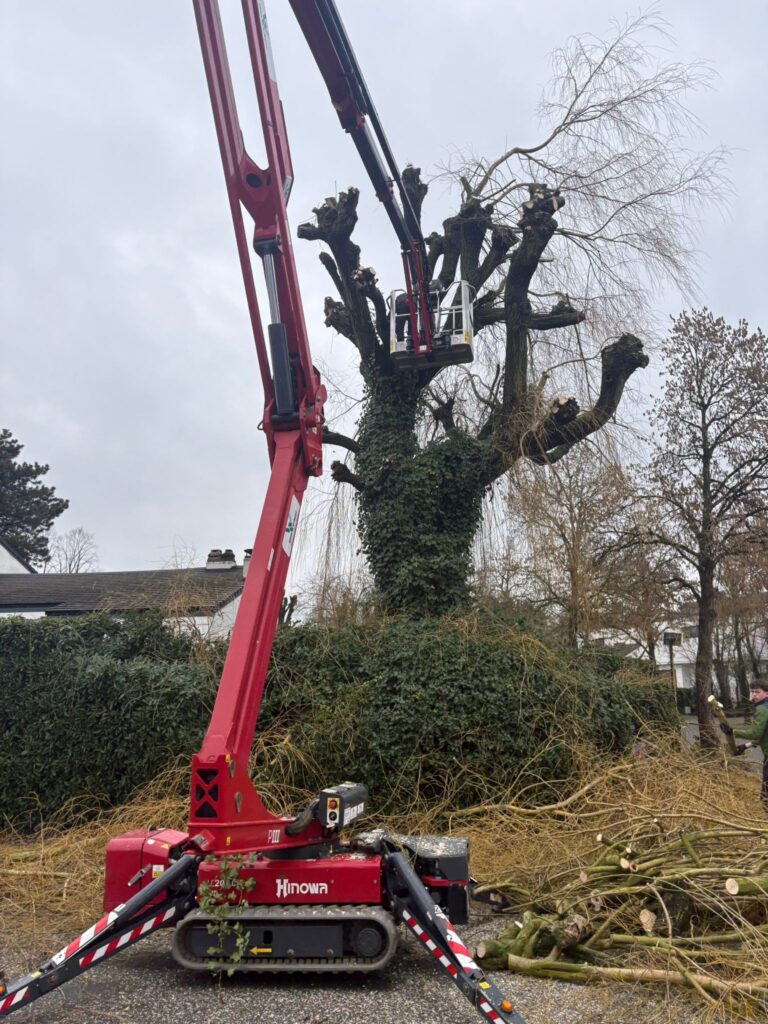
Crown lifting, crown reduction, and crown thinning each require a different approach. Crown lifting raises the lower canopy for clearance useful along driveways and footpaths. Crown reduction brings down the overall size of a tree while preserving its natural shape. Crown thinning opens up the canopy to improve airflow and reduce wind resistance. All of these tree surgery techniques require experience and precision to do well without causing long-term harm.
Legal compliance and Tree Preservation Orders
A significant part of a tree surgeon’s work happens on paper, not up a tree. Many trees in Chester are protected by Tree Preservation Orders (TPOs) or sit within conservation areas. Before any pruning or removal work begins, it’s essential to check whether the tree is protected and, if so, to apply to the local council for permission.
Getting this wrong can result in substantial fines for homeowners and landowners. A knowledgeable local arborist will handle this process from start to finish, making sure all work is legally compliant before the first cut is made.
When things go wrong: emergency callouts
Not every job is planned. Storms, high winds, and sudden branch failures can create dangerous situations that need to be dealt with quickly. Emergency tree services in Chester (https://www.treeservicechester.co.uk/emergency-tree-services/) are an important part of what professional arborists provide, responding rapidly to storm damaged fallen trees, hanging branches, and trees that pose an immediate risk to people or property.
This kind of reactive work requires the same level of care and skill as planned jobs, often under more pressured conditions. Having a qualified local team available at short notice can make a significant difference when the unexpected happens.
Risk assessments and inspections
Tree risk assessments are carried out at all levels from a quick visual check of a tree near a road to a detailed inspection using specialist equipment. These assessments help identify signs of decay, disease, and structural weakness before they lead to failure. For landowners and local authorities, regular inspections are a sensible part of responsible tree management.
Carrying Out Tree Risk Assessments
Tree risk assessments are used to determine whether a tree could present a danger. A tree surgeon will inspect the tree for signs of weakness, disease, or structural problems that could put people, nearby buildings, or surrounding trees at risk. There are several levels of assessment depending on how detailed the inspection needs to be:
Limited Visual Assessment
This is a quick general inspection designed to spot trees that may pose an immediate or obvious danger. It is usually carried out from ground level and can even be done while passing by in a vehicle. The idea is that serious hazards should be visible to an experienced arborist without the need for close inspection.
Basic Assessment
This involves a more thorough ground-level inspection around the entire tree. The arborist checks for visible defects, signs of decay, storm damage, pest activity, or disease. Open cavities and suspicious areas may also be examined more closely using simple probing tools.
Advanced Assessment
This is the most detailed type of inspection and involves a full examination of the tree from the root system up to the canopy. The tree surgeon may use photographs, video recordings, and specialist testing methods to accurately assess the tree’s condition and determine the extent of any internal or external problems.
Why local expertise matters
Choosing a local tree surgeon in Chester means working with someone who knows the area, local tree species, soil conditions, council regulations, and the specific challenges that come with urban tree care in this part of the country.
We cover Chester and surrounding communities including Hoole, Handbridge, Upton, Boughton, Great Boughton, Blacon, Vicars Cross, Christleton, Huntington, Saltney, Saughall, Waverton, Tarvin, Mickle Trafford, Guilden Sutton and Great Barrow.