A Complete Guide for Developers, Homeowners & Tree Surgeons
Planning a construction project in Chester or surrounding areas like Wirral, Wrexham, Hoole, Handbridge or Tarporley?
Before you submit drawings or break ground, there’s one critical question:
Do you need a BS5837 tree survey?
If trees are present on or near your site, the answer is often yes.
Local planning authorities across Chester, Ellesmere Port, Northwich, Crewe, Mold and Flint regularly require BS5837 reports before granting permission. Without one, your application could be delayed — or refused.
This guide explains:
- What a BS5837 tree survey is
- When it is required
- What it includes
- How it protects your development
- Why local arborist expertise matters
Planning to Build Near Trees in Chester?
Stop and assess first.
Trees can:
❌ Delay planning approval
❌ Increase foundation costs
❌ Cause long-term structural damage
❌ Trigger legal issues if protected
A properly prepared BS5837 tree survey prevents these problems before they happen.
Early arboricultural input saves time, money and stress.
What Is BS5837:2012?
BS 5837:2012 provides national guidance for trees in relation to design, demolition and construction.
It applies to:
- Residential developments
- Commercial projects
- Extensions
- Infrastructure works
- Site clearance
If trees exist within influencing distance of your development — including neighbouring trees — a survey is typically required.
Official standards information:
https://knowledge.bsigroup.com/products/trees-in-relation-to-design-demolition-and-construction-recommendations
Why BS5837 Tree Surveys Are Important in Chester
Chester and surrounding areas contain mature, high-value tree stock.
From Hoole and Boughton to Tarporley and Tattenhall, trees contribute significantly to property value and character.
A BS5837 survey helps to:
✔ Prevent structural damage
✔ Protect tree health
✔ Ensure planning compliance
✔ Avoid enforcement action
✔ Support sustainable development
In conservation areas across central Chester and rural Cheshire, early arborist involvement is essential.
When Is a BS5837 Tree Survey Required?
A survey is usually necessary when:
- Trees are on or near your site
- A planning application is submitted
- Excavation may affect roots
- Access routes pass close to trees
- Tree removal is proposed
Planning departments in Chester, Northwich, Crewe, Ellesmere Port and Wrexham routinely request these reports.
What Does a BS5837 Tree Survey Include?
A professional survey consists of several key components.
1️⃣ Tree Location Plan
A scaled plan mapping all trees within influencing distance — often 15m beyond the boundary.
It shows tree positions relative to:
- Proposed buildings
- Access roads
- Drainage systems
- Service routes
Accurate mapping reduces accidental root damage.
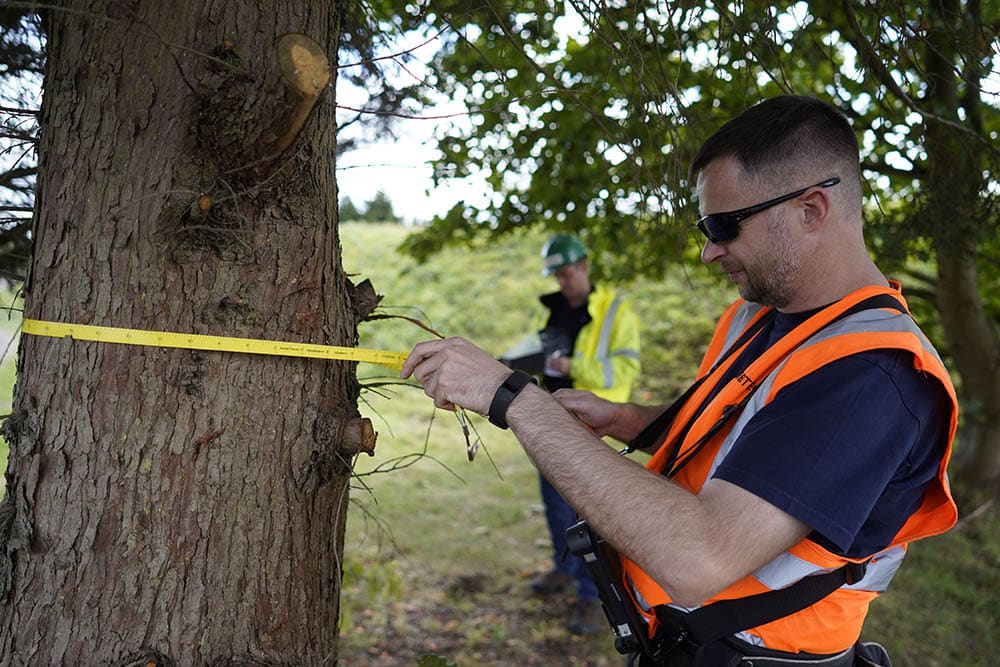
2️⃣ Tree Survey Schedule
Each tree is individually assessed and recorded.
Details include:
- Species
- Height and canopy spread
- Stem diameter
- Age classification
- Structural condition
- Remaining lifespan
- Legal protection status
Trees are categorised as:
- Category A – High quality
- Category B – Moderate quality
- Category C – Low quality
- Category U – Recommended removal
This grading system supports informed design decisions.
3️⃣ Root Protection Areas (RPAs)
The Root Protection Area (RPA) defines the minimum zone around a tree that must remain undisturbed.
Ignoring RPAs can cause:
❌ Tree instability
❌ Structural decline
❌ Long-term liability risks
Construction near RPAs may require specialist no-dig solutions.
4️⃣ Tree Constraints Plan (TCP)
This plan combines:
- RPAs
- Canopy spread
- Tree categories
- Shading impact
Architects in Wilmslow, Knutsford and Congleton use this early to refine layouts and avoid redesign costs.
5️⃣ Arboricultural Impact Assessment (AIA)
An AIA evaluates how proposed development affects trees.
It considers:
- Required tree removal
- Protective fencing
- Service trench routes
- Access arrangements
Planning officers across Cheshire and North Wales rely heavily on this document.
6️⃣ Arboricultural Method Statement (AMS)
If construction occurs near retained trees, an AMS details:
- Tree protection fencing
- Ground protection systems
- Supervision requirements
- Installation methods
- Monitoring procedures
This ensures compliance throughout the build.
Why Developers Should Never Skip This Step
1. Prevents Costly Structural Damage
Tree roots can affect foundations, drains and driveways.
Early identification reduces subsidence risk.
2. Minimises Planning Delays
Submitting incomplete applications leads to refusal or delay.
A full BS5837 package strengthens your submission.
3. Protects High-Value Trees
Mature trees in Handbridge, Hoole and Tarvin enhance resale value.
Retention often improves buyer appeal.
4. Supports Sustainable Development
Modern developments in Mold, Ruthin and North Wales prioritise environmental integration.
BS5837 allows buildings and trees to coexist.
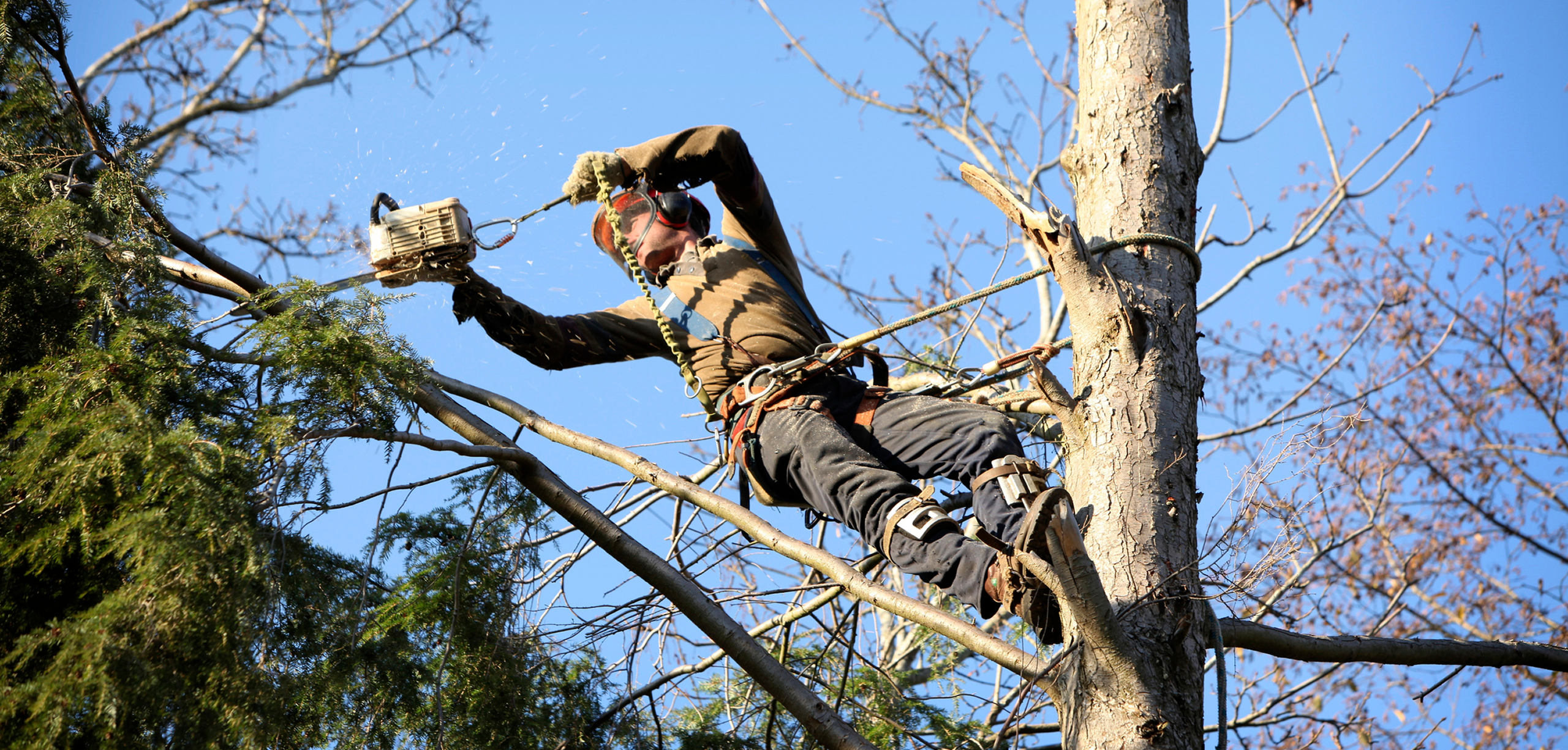
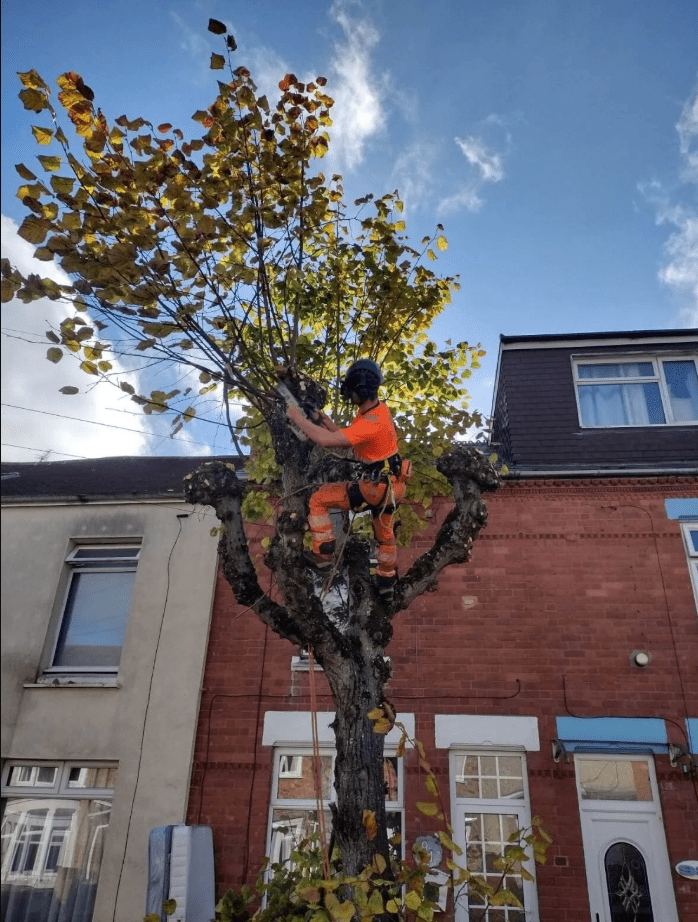
The Role of Tree Surgeons in BS5837 Surveys
Qualified arborists and tree surgeons:
- Assess structural stability
- Identify disease or pest issues
- Recommend tree surgery
- Determine if removal is necessary
- Provide construction supervision
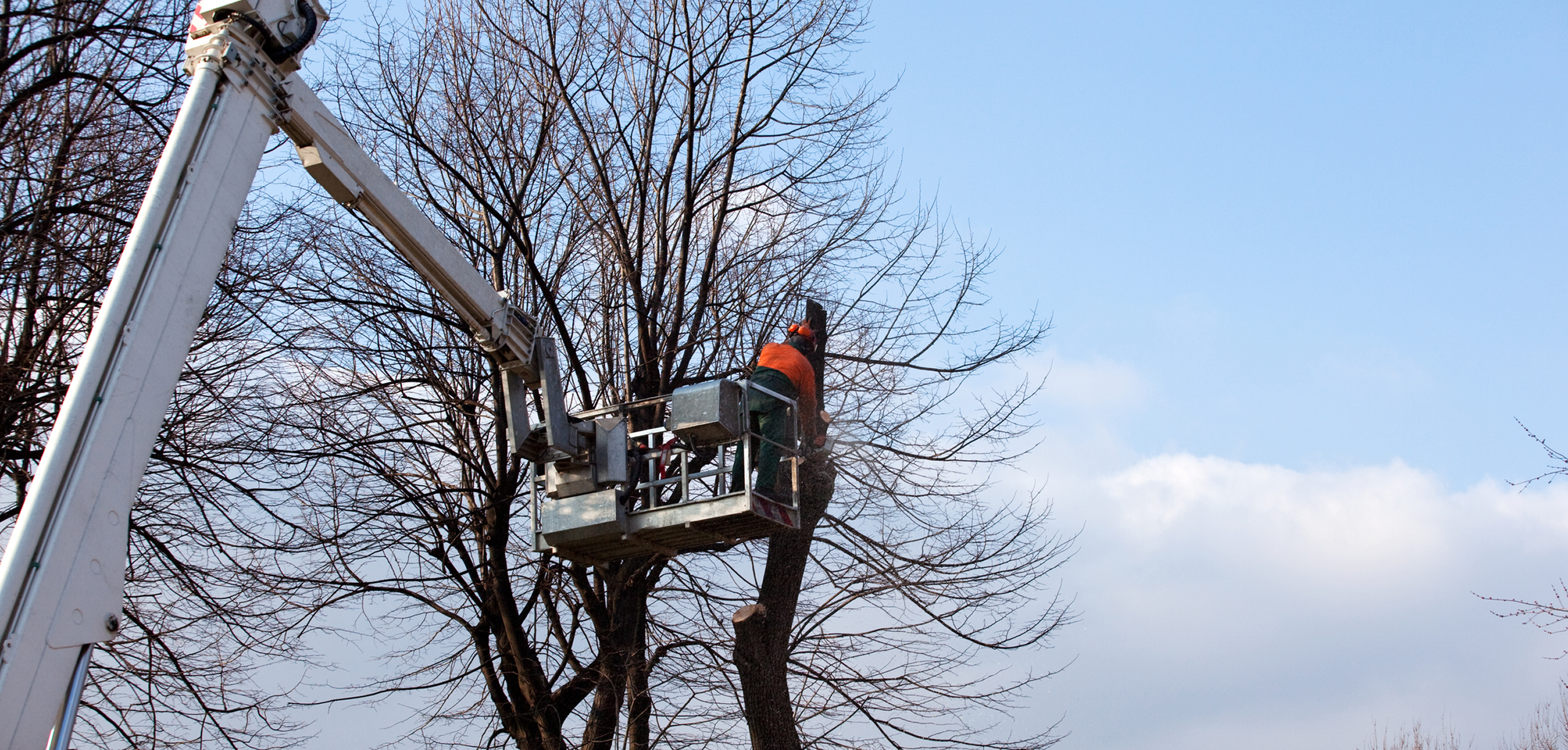
Tree surgery services may include:
- Crown reduction
- Crown thinning
- Tree deadwooding
- Selective pruning
- Controlled tree removal
Where unsafe trees are identified, safe tree felling must be managed professionally.
Developing Near Protected Trees?
Many trees across Chester, Tarporley, Knutsford and Wilmslow are protected by Tree Preservation Orders.
TPO guidance:
https://www.gov.uk/guidance/tree-preservation-orders-and-trees-in-conservation-areas
Unauthorised removal can result in:
❌ Significant fines
❌ Legal enforcement
❌ Compulsory replanting
A BS5837 survey identifies:
- TPO trees
- Conservation area restrictions
- Protected woodland
Compliance protects your investment.
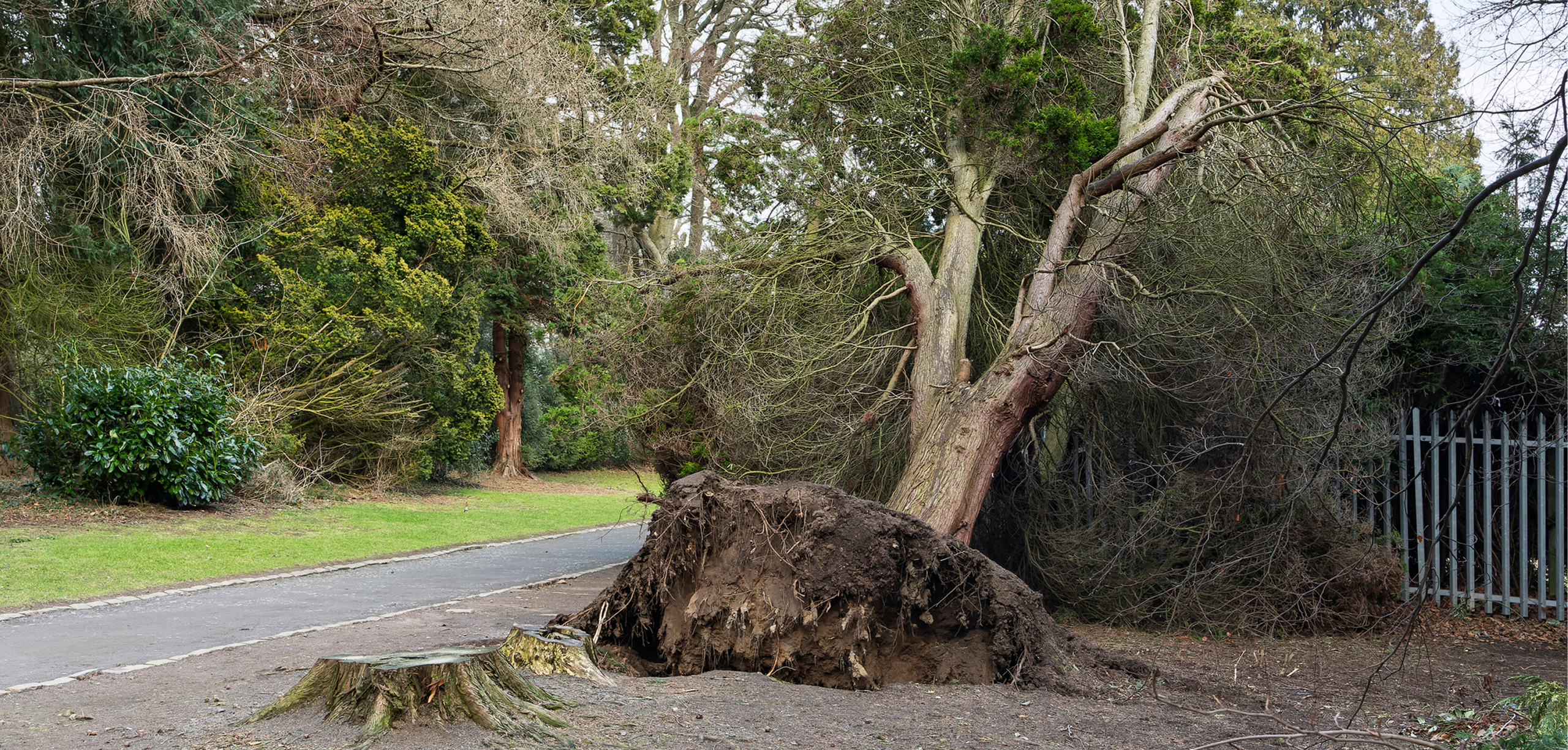
Emergency Tree Issues During Construction
Occasionally, hidden defects or severe weather cause unexpected failure.
Emergency intervention may be required if:
- Trees collapse during clearance
- Branches fail during excavation
- Root plates destabilise
Rapid response prevents site delays and safety risks.
Common Developer Mistakes
Avoid these costly errors:
- Commissioning surveys too late
- Designing without RPA consideration
- Underestimating canopy spread
- Ignoring supervision requirements
- Failing to install protective fencing
Early engagement prevents redesigns and enforcement action.
BS5837 Is About Planning — Not Removing Trees
Many developers assume surveys lead to removal.
In reality, professional arborists often resolve conflicts through:
- Targeted pruning
- Crown lifting
- Root management under supervision
- Layout adjustments
Where removal is unavoidable, replanting strategies maintain landscape quality.
Key Takeaways for Chester Developers
✔ BS5837 surveys are essential when trees are present
✔ Early assessment reduces delays
✔ Root Protection Areas must be respected
✔ Planning authorities rely on arboricultural reports
✔ Sustainable development increases long-term value
Whether developing in Chester, Wirral, Wrexham, Ellesmere Port, Northwich, Crewe, Mold or North Wales, a professional BS5837 tree survey protects your project.
Thinking of Starting a Development Project?
If trees are anywhere near your boundary, do not wait until planning officers request a report.
Arrange a professional BS5837 tree survey before designs are finalised.
This allows:
✔ Smarter layout decisions
✔ Faster approvals
✔ Reduced structural risk
✔ Full legal compliance
Conclusion
A BS5837 tree survey is not just paperwork. It is a strategic planning tool.
From protecting mature oaks in Tarporley to safeguarding urban trees in Chester city centre, these surveys ensure development and nature coexist safely.
By engaging a qualified arborist early, developers and homeowners can:
- Avoid costly mistakes
- Protect valuable trees
- Comply with regulations
- Promote sustainable development
If you are planning construction in Chester or surrounding areas, arranging a BS5837 tree survey should be your first step.