Felling, Bucking, and Limbing Trees: A Complete Guide
Tree felling is the process of cutting down a tree and safely removing it from its location.
It is carried out for many reasons, including land clearance, timber harvesting, and removing trees that pose safety risks.
While tree felling may look simple, it is a high-risk and technical task.
It requires careful planning, specialist tools, and professional experience to ensure the work is done safely and efficiently.
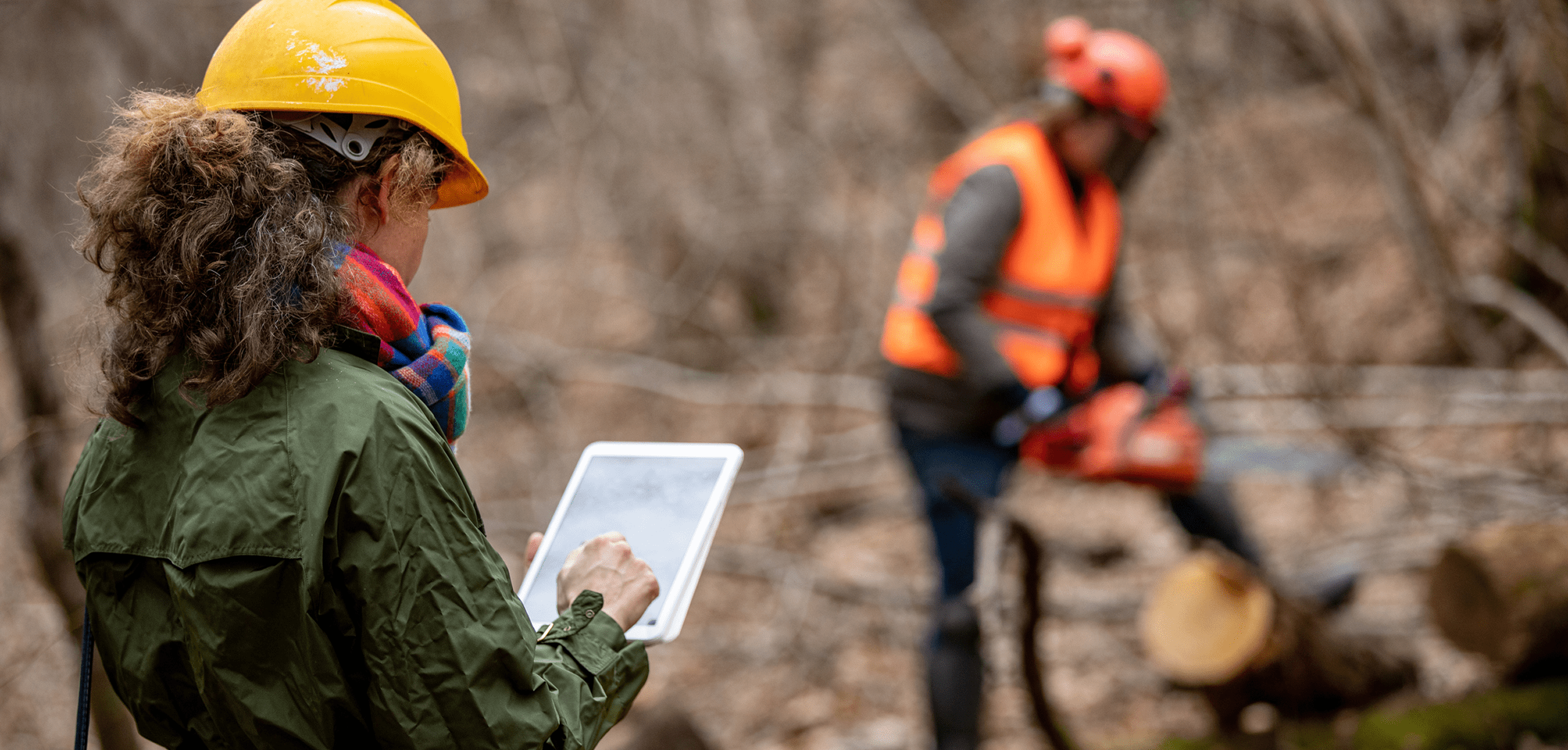
Before any tree is felled, a trained tree surgeon must assess the tree and its surroundings.
This helps identify potential hazards such as nearby buildings, overhead cables, uneven ground, or restricted access.
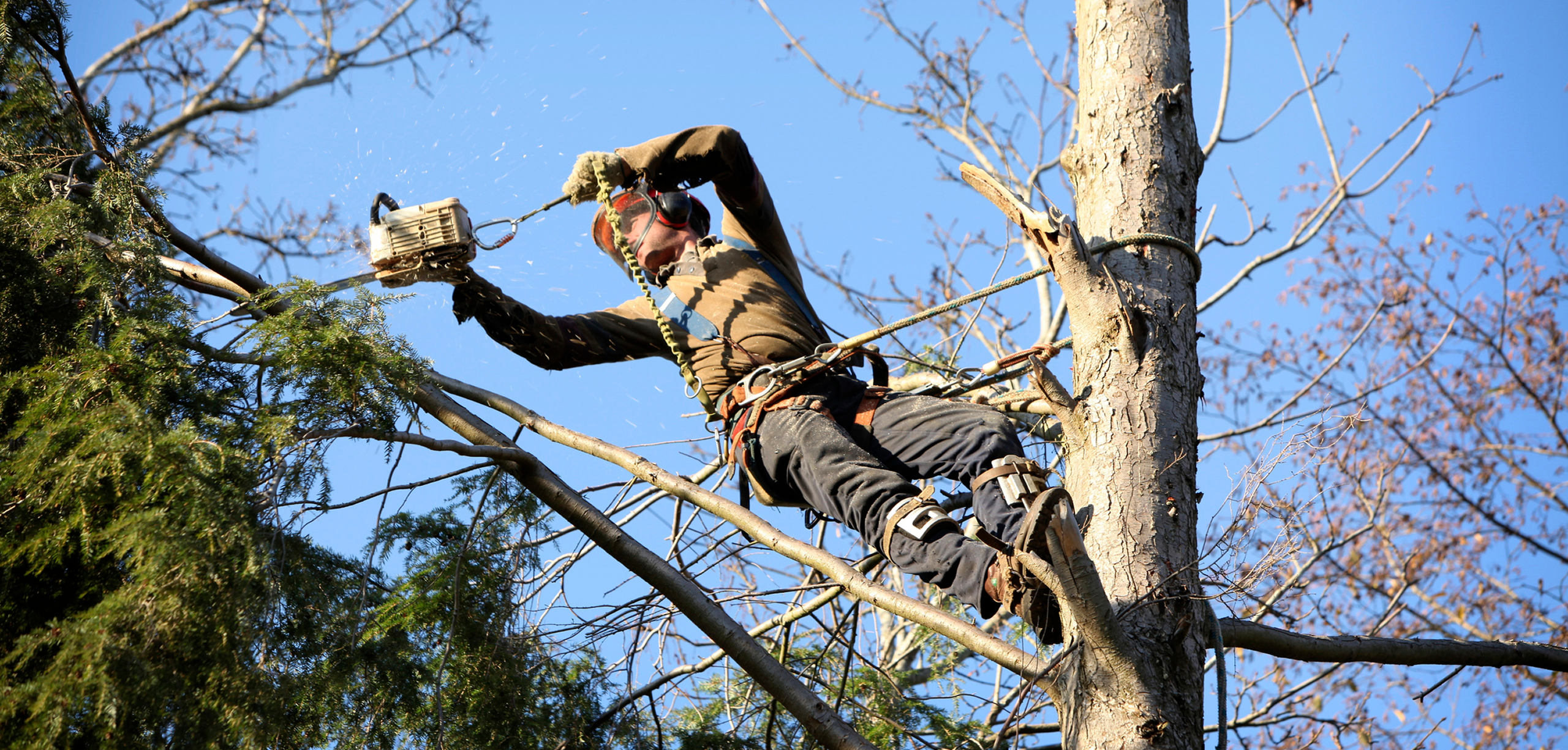
In many situations, trees are dismantled in sections rather than felled in one piece.
This method allows each section to be lowered or dropped safely, reducing risk to people and property.
Due to the dangers involved, tree felling should always be carried out by qualified professionals.
What Is Tree Felling?
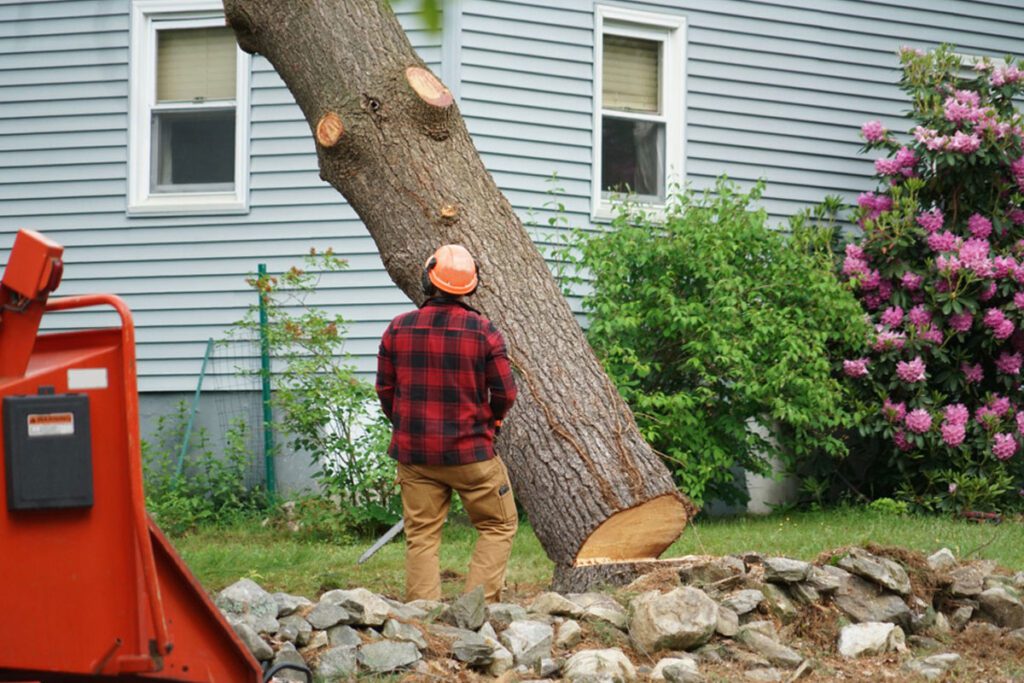
Tree felling, sometimes referred to as tree removal, is the controlled process of cutting down a tree for a specific purpose.
Common reasons for tree felling include:
- Clearing land for construction or landscaping
- Managing woodland or large estates
- Removing diseased or dying trees
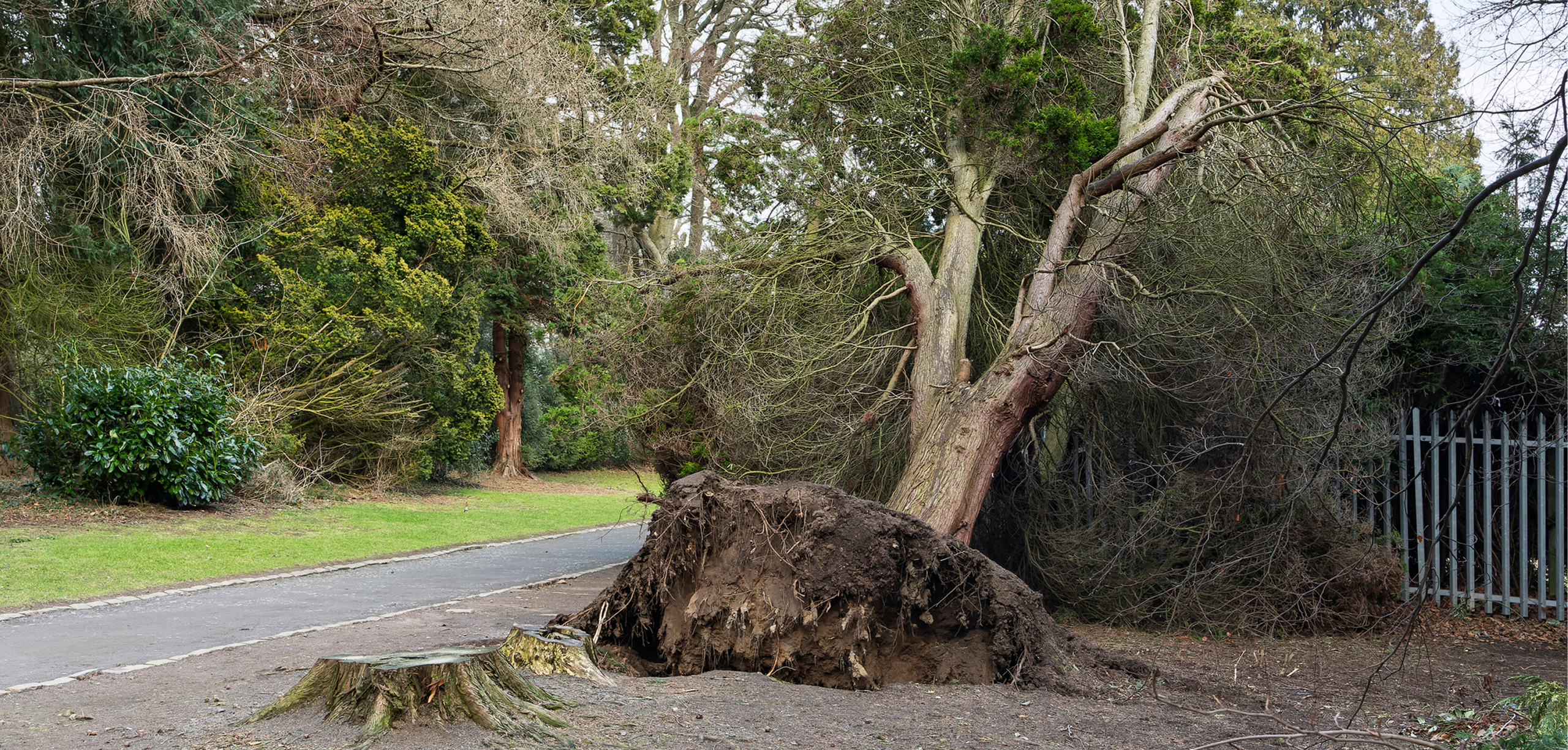
- Eliminating trees that present safety hazards
Depending on the situation, tree felling may be carried out using hand tools or powered equipment such as chainsaws.
In some cases, alternatives like pruning or crown reduction may be considered instead of full removal.
Careful planning and strict safety procedures are essential to minimise risk and environmental impact.
Types of Tree Felling
The method used for tree felling depends on the size of the tree, its location, and site access.
The two main approaches are manual felling and mechanical felling.
Manual Tree Felling
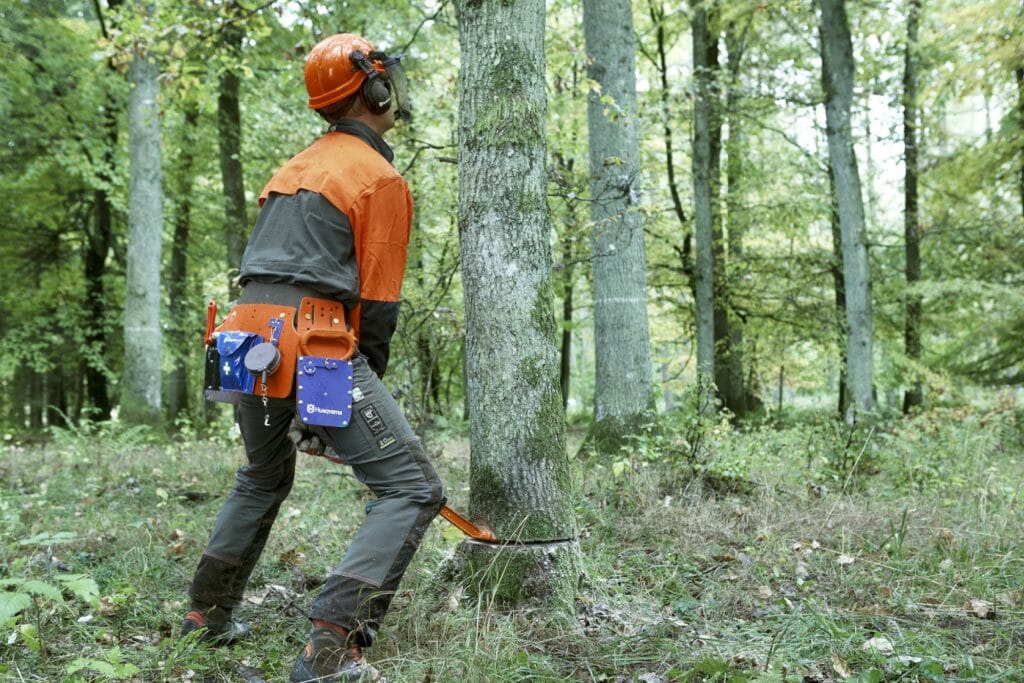
Manual felling uses hand-held tools such as:
- Chainsaws
- Axes
- Handsaws
This method is commonly used for smaller trees or in locations where machinery cannot access the site.
After the tree is felled, it is processed through:
- Limbing – removing branches
- Bucking – cutting the trunk into manageable sections
Manual felling requires skilled operators who can:
- Assess the tree’s condition
- Predict the direction of fall
- Make precise and controlled cuts
Experience is critical to ensure safety and accuracy.
Mechanical Tree Felling
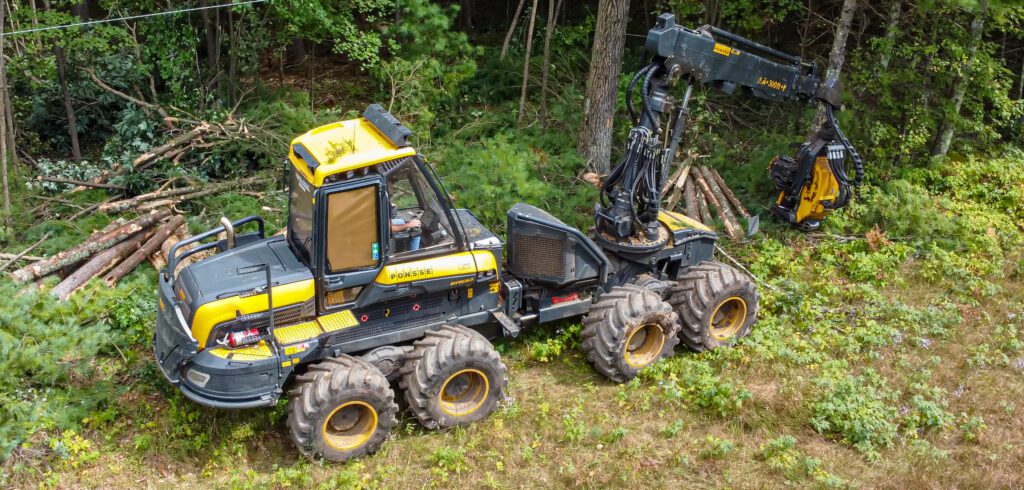
Mechanical felling uses heavy machinery such as:
- Harvesters
- Feller bunchers
- Excavators with specialist attachments
This method is typically used for large-scale operations or open areas with sufficient space for machinery.
Mechanical felling allows trees to be cut, held, and processed efficiently.
However, it still requires trained operators to ensure safety and minimise environmental disturbance.
Basic Techniques Used in Tree Felling
Tree felling follows a sequence of professional techniques to control the direction of fall:
- Planning
Assessing tree size, lean, condition, and surroundings. - Notch cutting
Creating a directional notch on the side of the intended fall. - Undercut
Weakening the base of the tree to guide movement. - Back cut
Making the final cut that allows the tree to fall safely.
These techniques require specialist tools and expert knowledge to carry out correctly.
Safety Measures in Tree Felling
Pre-Felling Planning
Effective planning significantly reduces risk. Key steps include:
- Assessing the tree’s height, weight, and natural lean
- Identifying nearby hazards such as buildings or utilities
- Establishing clear escape routes
- Securing the work area from public access
Checking for permissions or legal restrictions
Use of Safety Equipment
Proper personal protective equipment (PPE) is essential, including:
- Protective helmet
- Eye and ear protection
- Chainsaw-resistant trousers and boots
- Gloves for grip and hand protection
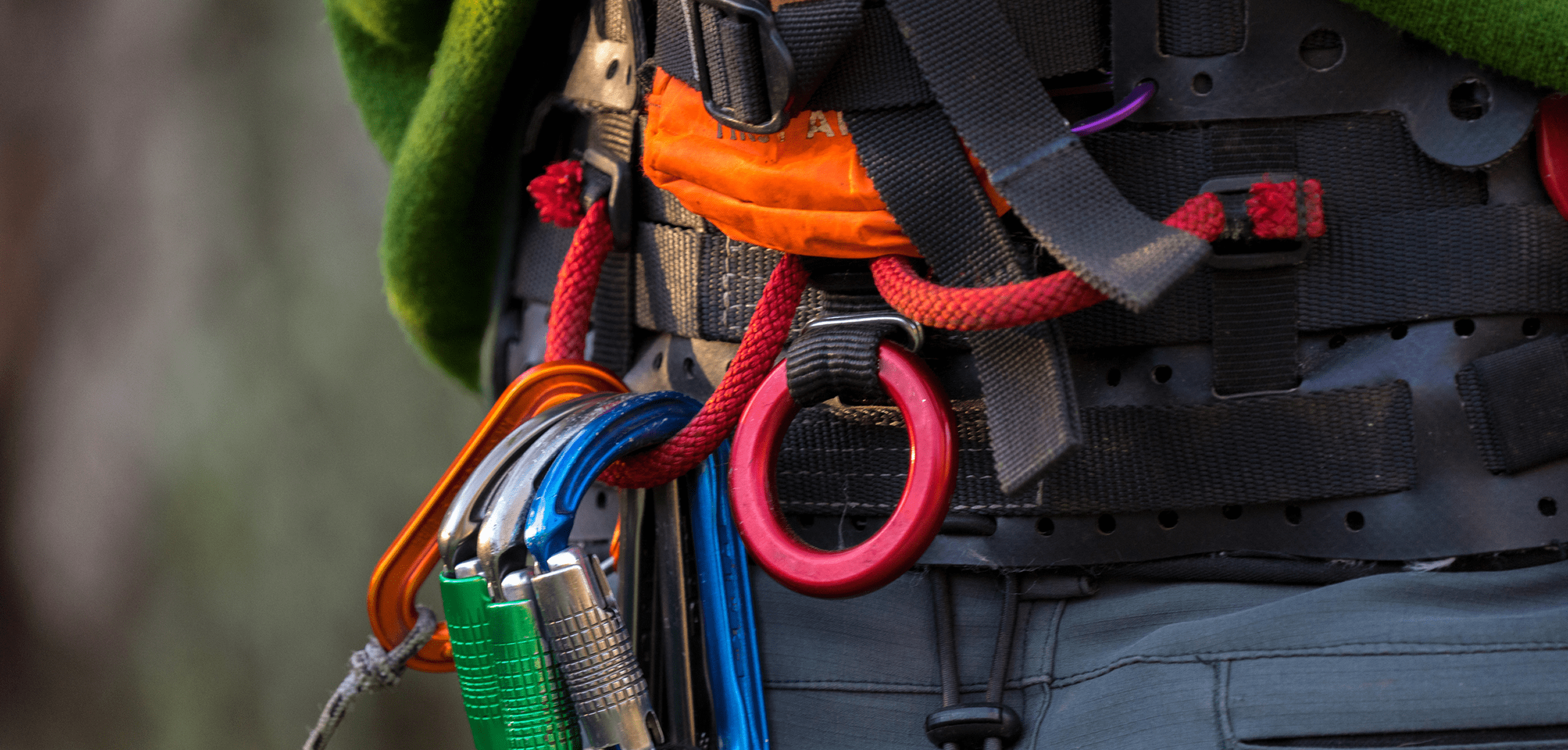
- Harnesses and fall-arrest systems when working at height
All equipment must be regularly inspected and used by trained professionals.
Impact of Tree Felling
Environmental Impact
Trees play a vital role in supporting wildlife, improving air quality, and preventing soil erosion.
Unplanned or excessive tree removal can lead to habitat loss and environmental damage.
Responsible tree management aims to balance safety and development needs while protecting the environment.
Economic Impact
Tree felling can support industries such as timber production and land development.
However, poor management can result in long-term costs, including:
- Increased flood risk
- Loss of natural resources
- Reduced landscape and property value
Sustainable practices help ensure long-term benefits.
Summary
Tree felling is the controlled and planned removal of a tree, carried out for safety, land management, or environmental reasons.
It is a specialised task that requires:
- Professional knowledge
- Careful planning
- Strict safety measures
Due to the risks involved, tree felling should always be undertaken by trained and experienced specialists who can complete the work safely and responsibly.
- Loss of natural resources
- Reduced landscape and property value
Sustainable practices help ensure long-term benefits.